
Last updated September 23, 2026
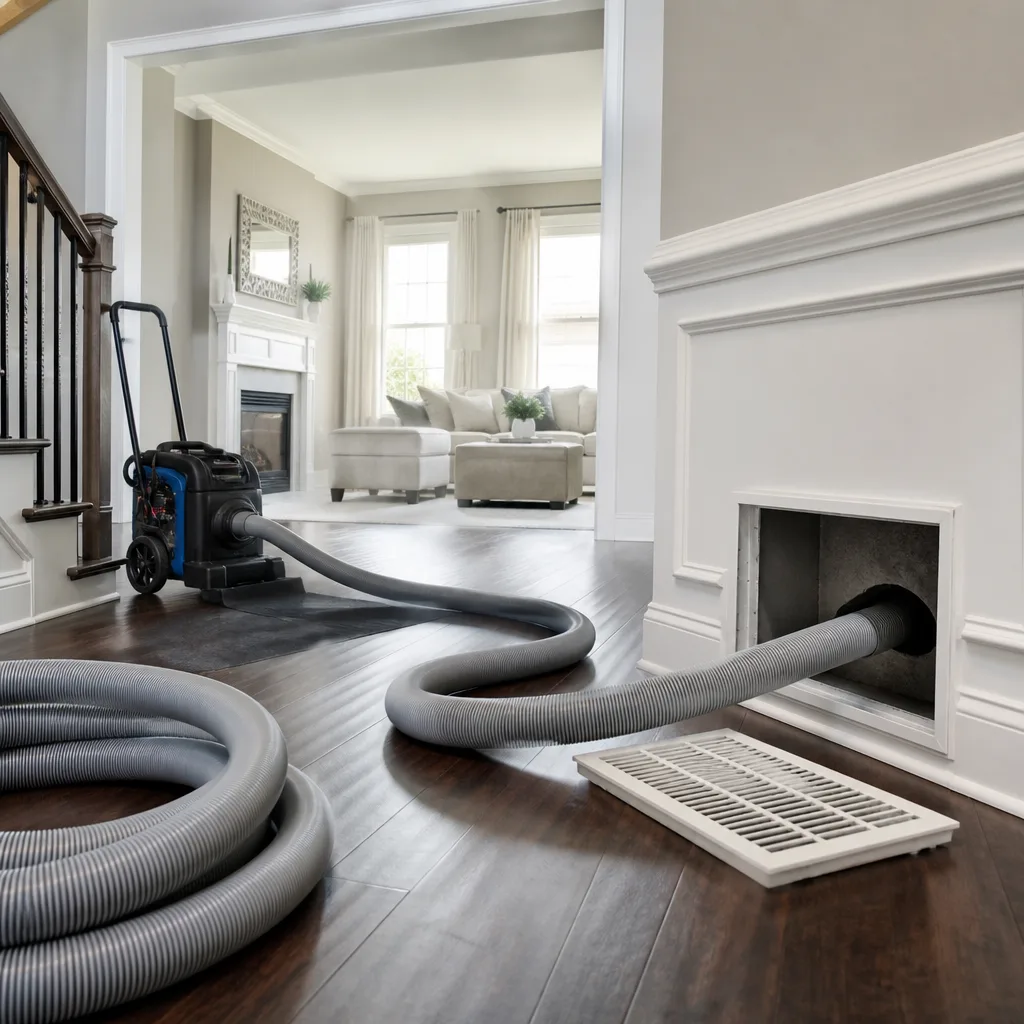
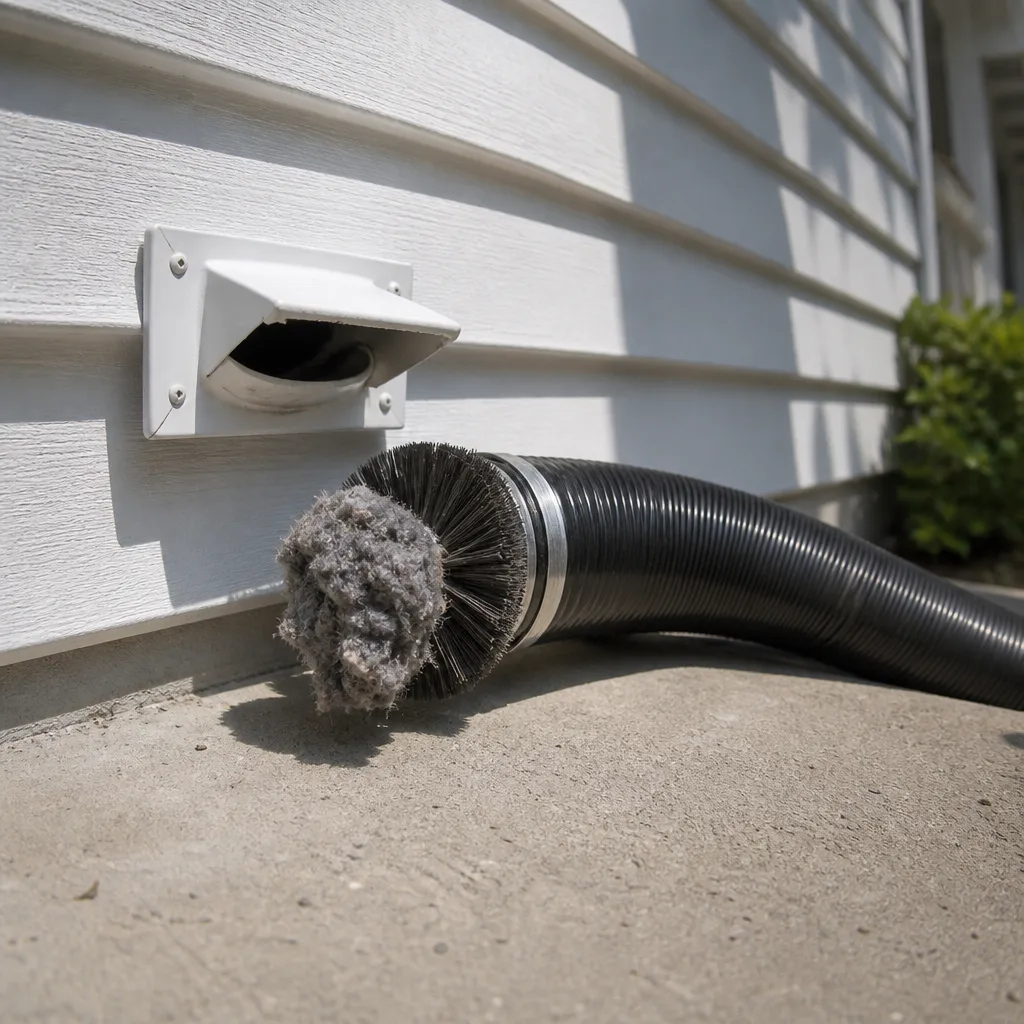
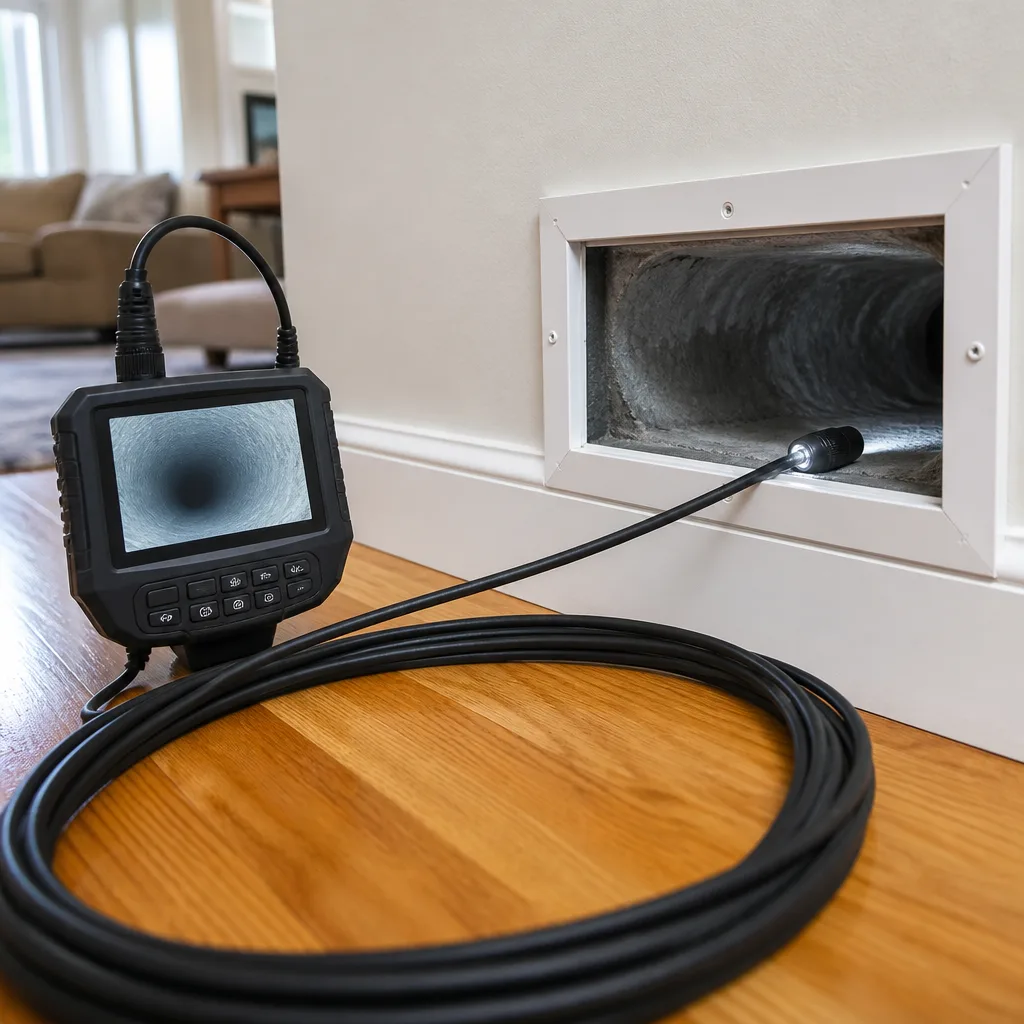
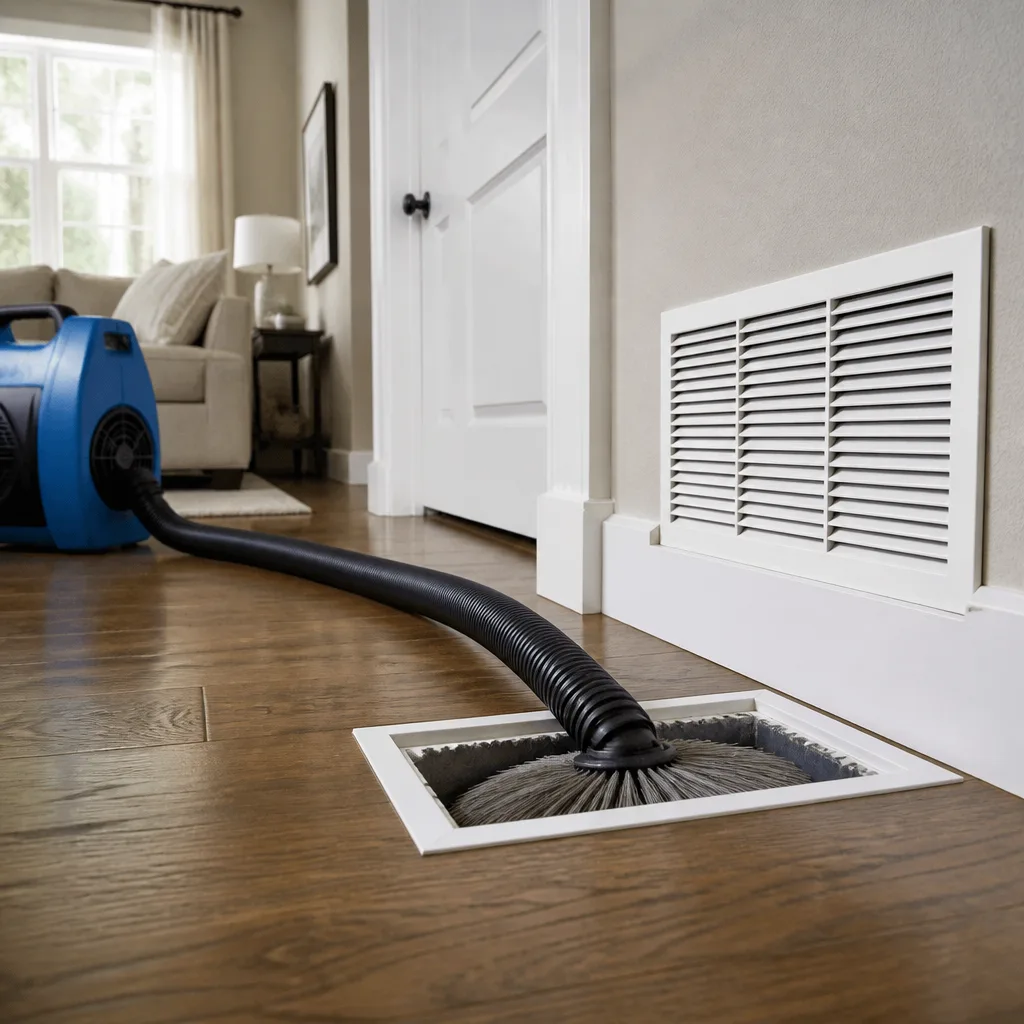
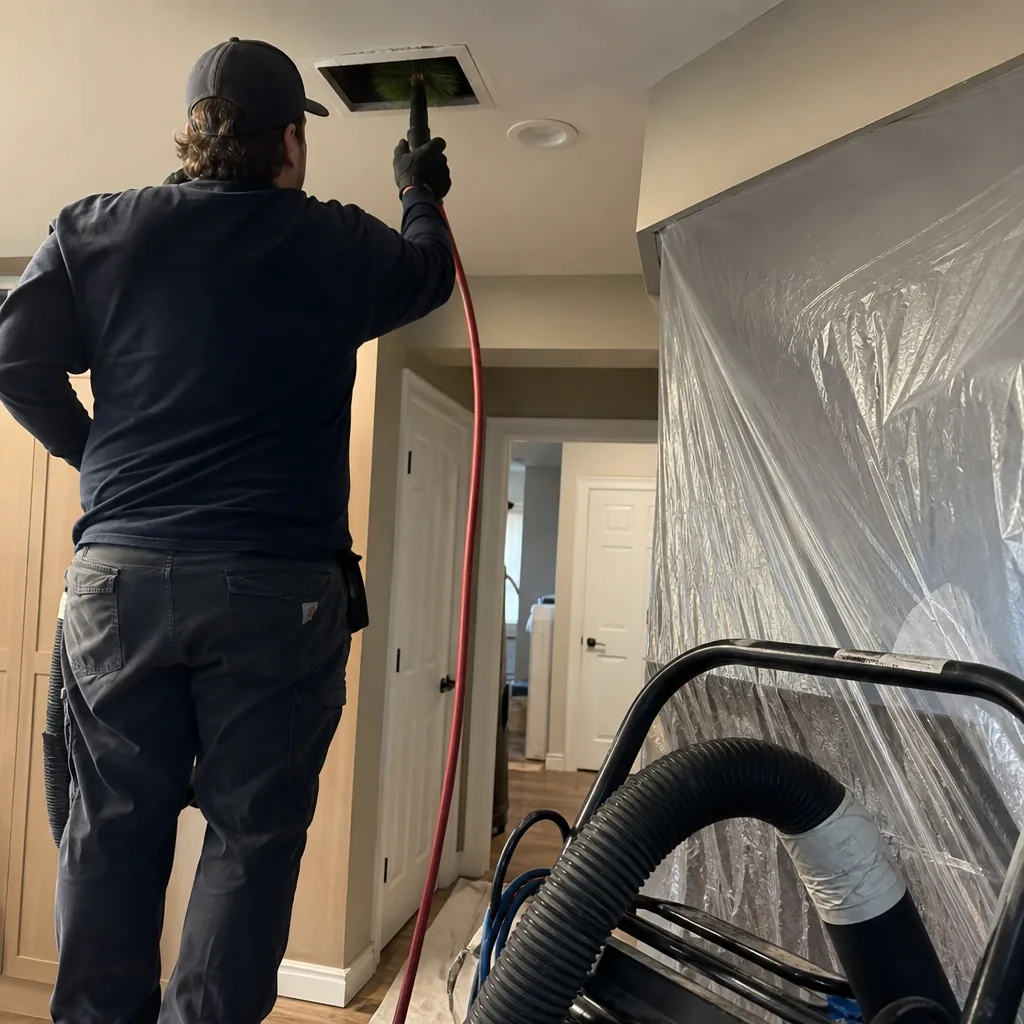
Whole-system duct and dryer vent check with before-and-after photos - you see exactly what came out of your vents
That "$99 whole-house special" is a bait ad - the real number appears once they are in your hallway, or the "clean" is a shop-vac at the register. We photograph the inside of your ducts before and after instead.
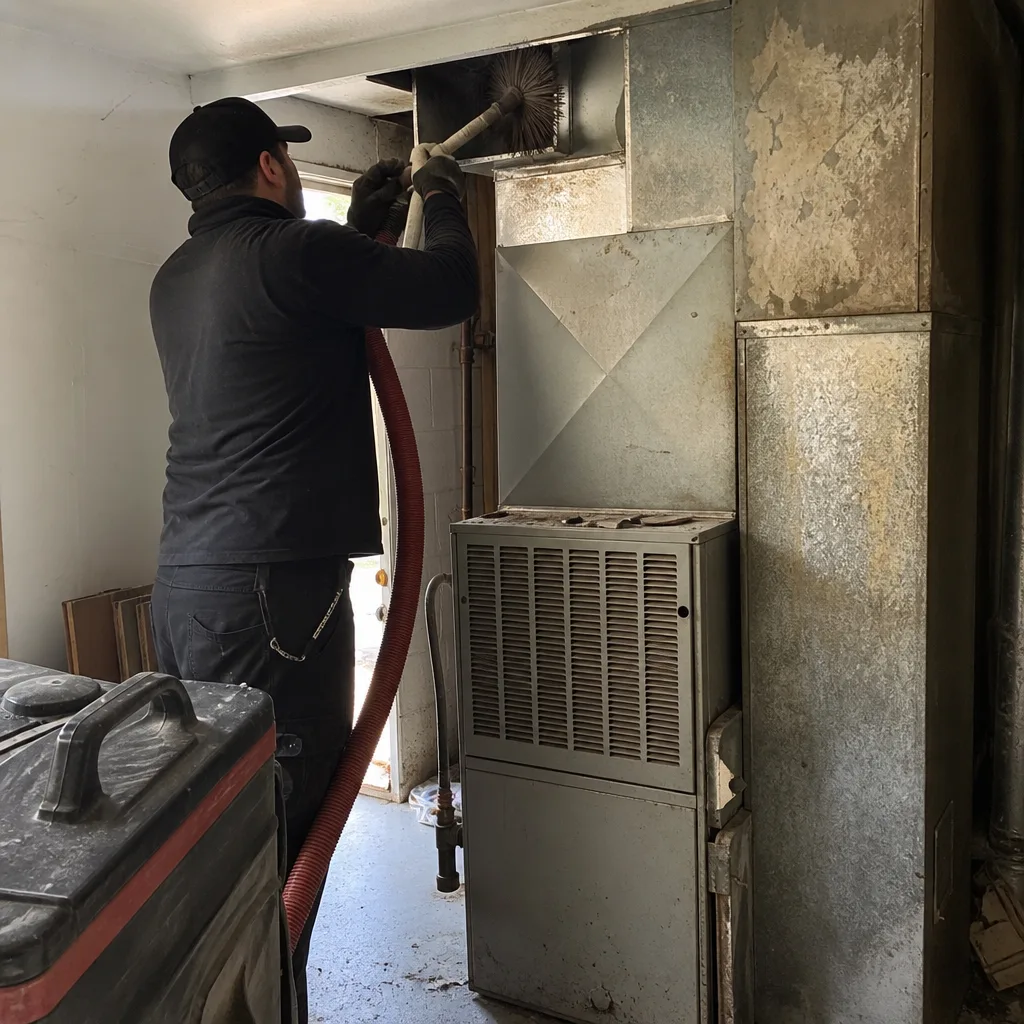 Before
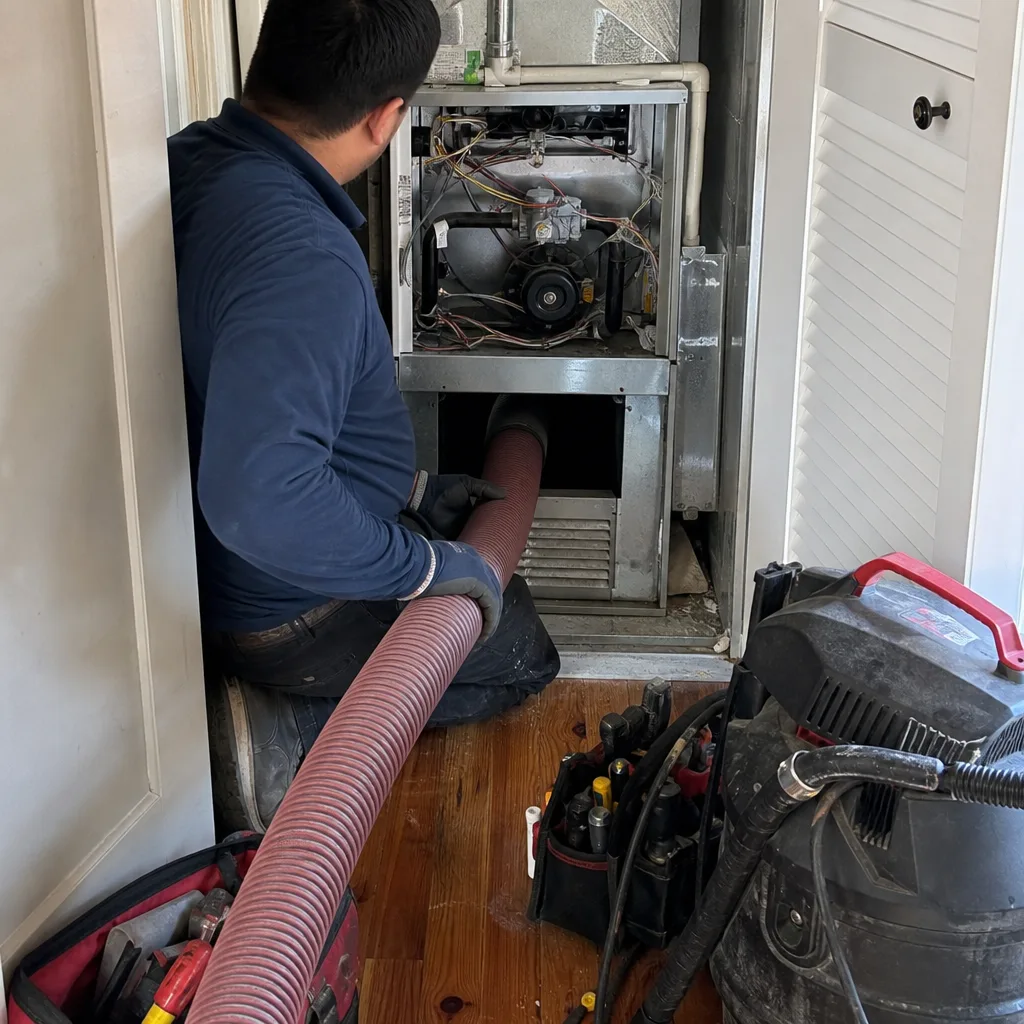 After
After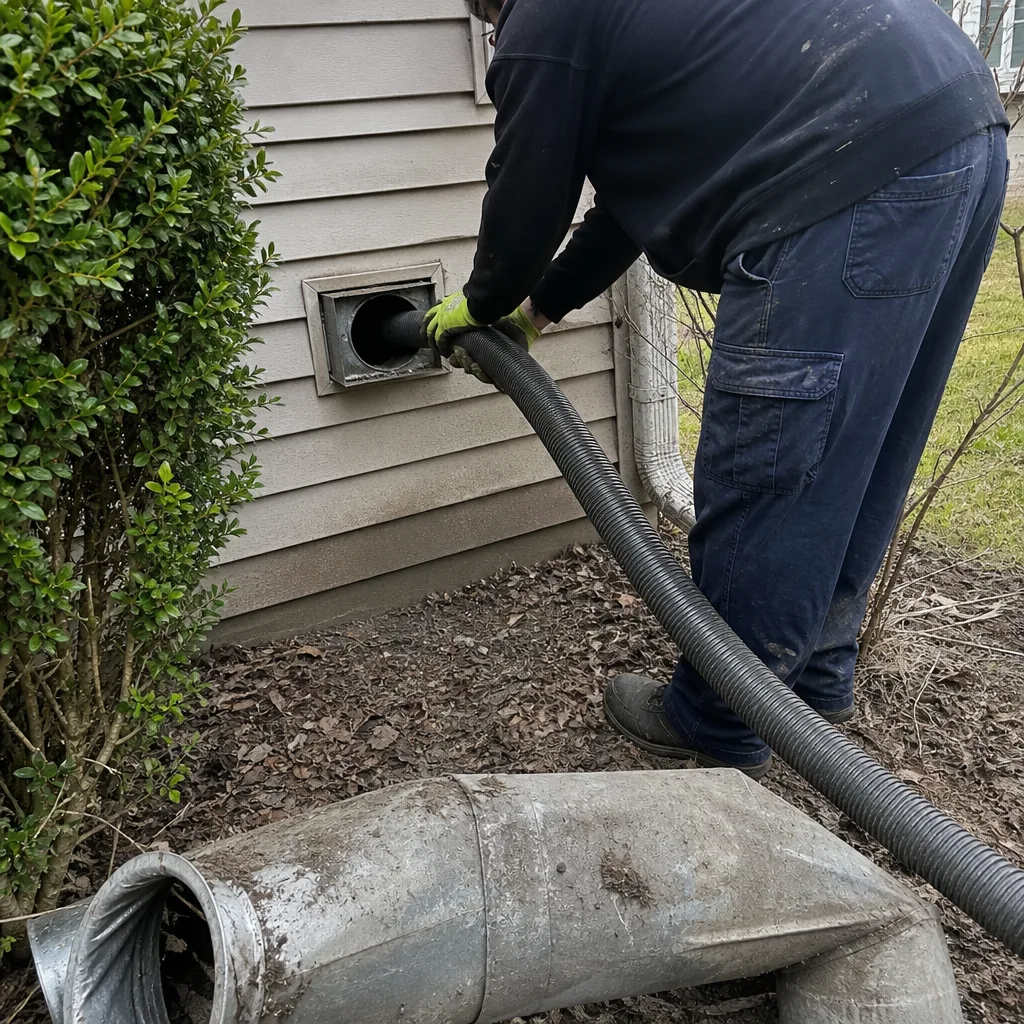 Before
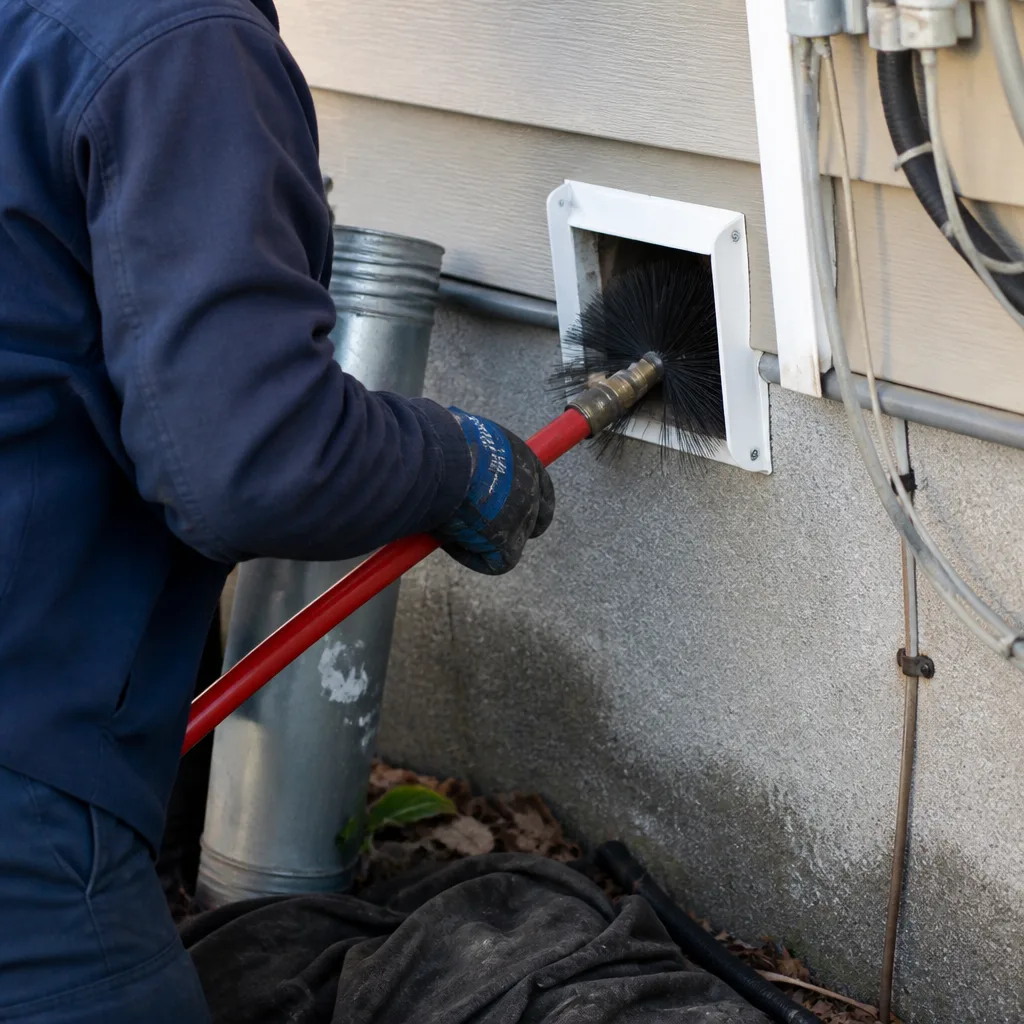 After
After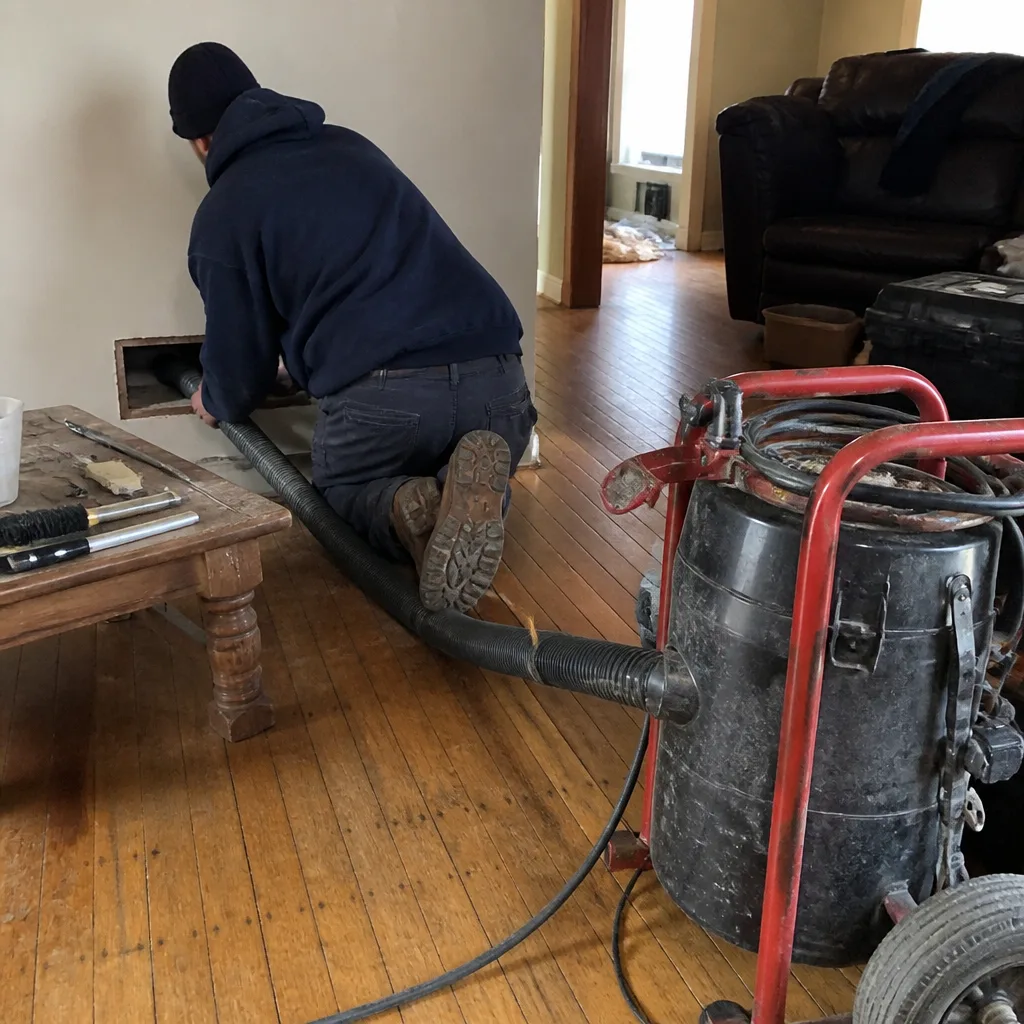 Before
 After
AfterSeasonal Air Duct Cleaning Care for Elk Grove Village: Year-Round Homeowner’s Guide
The worst time to discover your ductwork has a mold-favorable moisture problem is August, when the system has been running condensation cycles for three months straight. The inspection that catches it takes four minutes in April and costs nothing. In Elk Grove Village, where summer humidity routinely pushes 70% and winter temperature swings stress flex duct in unconditioned attics, seasonal duct care isn’t about cleaning four times a year. It’s about performing the right low-effort checks at each system transition point so that one annual professional cleaning addresses documented problems rather than guesswork. This guide maps specific homeowner tasks to Elk Grove Village’s actual climate calendar and tells you what each task is actually looking for.
Quick Answer
Seasonal air duct care in Elk Grove Village means four brief inspections per year timed to system transitions: April (pre-cooling), July (mid-summer performance check), October (pre-heating), and January (winter stress check). Each takes 5-15 minutes and requires no tools beyond a flashlight and smartphone. The goal is to build a dated photo log that makes your Air Duct Cleaning services faster, more targeted, and based on evidence rather than assumptions.
Table of Contents
- April: The Pre-Cooling Inspection That Prevents August Mold
- July: Reading Your Registers for Duct Performance Problems
- October: The Furnace Start-Up Smell You Can’t Afford to Misread
- January: Finding Flex Duct Failures in Unconditioned Spaces
- How to Build a Seasonal Log That Saves Time and Money
- What to Expect from Your Annual Professional Cleaning
- Common Mistakes to Avoid
- When to Call a Professional
- Frequently Asked Questions
BeforeAfterApril: The Pre-Cooling Inspection That Prevents August Mold
Elk Grove Village’s cooling season typically starts in late April or early May, when daytime highs cross 70 degrees consistently. By August, a small condensate drainage problem has become a mold amplification event. April is your window to catch it.
Here’s what to check, where to look, and what you’re actually seeing.
Step 1: Locate Your Evaporator Coil Access Panel
The evaporator coil sits above your furnace or air handler, inside the plenum (the large sheet-metal box that distributes air into the duct runs). Remove the access panel - usually held by four to six sheet-metal screws. Shine your flashlight on the coil fins and the drain pan beneath them.
What you’re looking for: standing water in the drain pan, discoloration on the coil fins (green, black, or white buildup), or a musty smell that persists after the panel is off for 30 seconds. Standing condensate means the drain line is partially blocked or the pan is not sloped correctly toward the outlet. In Elk Grove Village’s clay-heavy soil, settling foundations can tilt furnace platforms just enough to reverse the pan slope. We’ve photographed this exact scenario in homes near Biesterfield Road and Meacham Road.
Step 2: Inspect the Return Plenum
Follow the large duct (the return) back from the furnace to where it enters the wall or ceiling. Remove the filter and look into the return plenum with your flashlight.
What you’re looking for: debris accumulation at the filter slot, gaps where the return duct meets the wall framing, or moisture staining on the duct interior. A return leak in an unfinished basement or crawl space pulls in humid summer air, which the coil then has to dehumidify. The extra load raises coil temperature and can push the system past its dew point, causing condensation on nearby duct surfaces.
Step 3: Photograph and Date Everything
Take clear photos of the coil, drain pan, and return plenum interior. Date them. Store them in a dedicated folder. These become your baseline for comparison in future years.
If you find standing water or visible mold growth, do not attempt to clean the coil yourself. The fins bend easily and the refrigerant lines are fragile. Document what you found and schedule a professional inspection. HVAC Cleaning in Elk Grove Village includes coil and plenum service as part of a complete system cleaning.
July: Reading Your Registers for Duct Performance Problems
By mid-July, your AC has been running daily for six to eight weeks. This is when duct problems become visible through airflow patterns, not through noise or smell.
What Even Air Distribution Looks Like
In a properly balanced system, every supply register in Elk Grove Village’s typical 1,500-2,500 square foot homes should move enough air to hold a standard letter-size paper against the grille at medium blower speed. Not all grilles will be identical - rooms with south-facing windows or cathedral ceilings need more CFM (cubic feet per minute) and will have larger ducts or more registers. But the paper test reveals gross imbalances.
How to Test
- Turn your thermostat to FAN ON (not AUTO) so the blower runs continuously.
- Close all interior doors to isolate rooms.
- Hold a standard sheet of paper against each supply register.
- Note which registers fail to hold the paper, which barely hold it, and which pull it flat with force.
- Open interior doors and repeat. A register that worked with doors closed but fails with doors open indicates a return path problem, not a supply problem.
What the Results Mean
One weak register in a single room: Likely a disconnected or crushed flex duct branch, or a damper partially closed at the trunk line. Common in Elk Grove Village homes where flex duct was installed through tight attic framing in the 1980s and 1990s.
Multiple weak registers on one floor or zone: Possible trunk line separation, significant leakage at a main joint, or a blower performance issue. The trunk line (the large central duct that feeds the smaller branches) can separate at seams when tape adhesive ages and Elk Grove Village’s seasonal temperature swings expand and contract the metal.
Strong airflow but poor cooling: Duct leakage is pulling attic air into the system. Attic air in July can exceed 130 degrees. Even a 10% leakage rate can overwhelm the cooling capacity. This is when you need professional duct sealing, not just cleaning.
Document your findings with photos of each register and notes on paper test results. This becomes part of your seasonal log.
October: The Furnace Start-Up Smell You Can’t Afford to Misread
The first furnace run of autumn produces a smell. That smell is information. Misreading it wastes money or misses a safety hazard.
The Normal Smell: Dust Burn-Off
A faint, dry, slightly acrid smell that dissipates within 10-15 minutes of runtime is dust accumulated on the heat exchanger (the metal chamber where combustion gases warm the air) burning off. It’s normal in Elk Grove Village, where furnaces sit idle from May through September and dust settles on every surface. The smell should not return on subsequent runs.
The Concerning Smell: Musty or Damp
A musty smell that persists or intensifies suggests moisture in the ductwork, often from a summer condensate leak that went undetected. The October furnace run warms that moisture and drives it into the living space. This is your April inspection paying dividends - or revealing that you skipped it.
The Dangerous Smell: Sharp, Chemical, or Sulfurous
A sharp, chemical, or rotten-egg smell that does not dissipate indicates a combustion problem. Possible causes: cracked heat exchanger, blocked flue, or incomplete combustion producing carbon monoxide. This is not a duct cleaning issue. Turn the system off, leave the home, and call your gas utility or HVAC technician before calling anyone else.
Safety note: We do not recommend homeowner inspection of the heat exchanger. The chamber is sealed, the metal is thin, and cracks are often hairline and invisible without proper equipment. What you can do is note the smell character, duration, and whether it recurs. Document this in your seasonal log.
What You Can Check Safely
Remove the furnace filter and look into the return side with a flashlight. Note debris buildup, moisture staining, or filter bypass (debris packed around the filter frame, indicating the filter was not sealed properly). A filter bypass allows unfiltered air to enter the blower and coat the heat exchanger, accelerating dust burn-off and potentially affecting combustion airflow.
If the burn-off smell is unusually strong or lasts more than 20 minutes, schedule professional inspection. The technician should inspect the heat exchanger with a borescope and combustion test the furnace. Air Duct Cleaning in Elk Grove Village performed by CleanRun includes return and supply trunk cleaning that reduces the dust load for the following season.
January: Finding Flex Duct Failures in Unconditioned Spaces
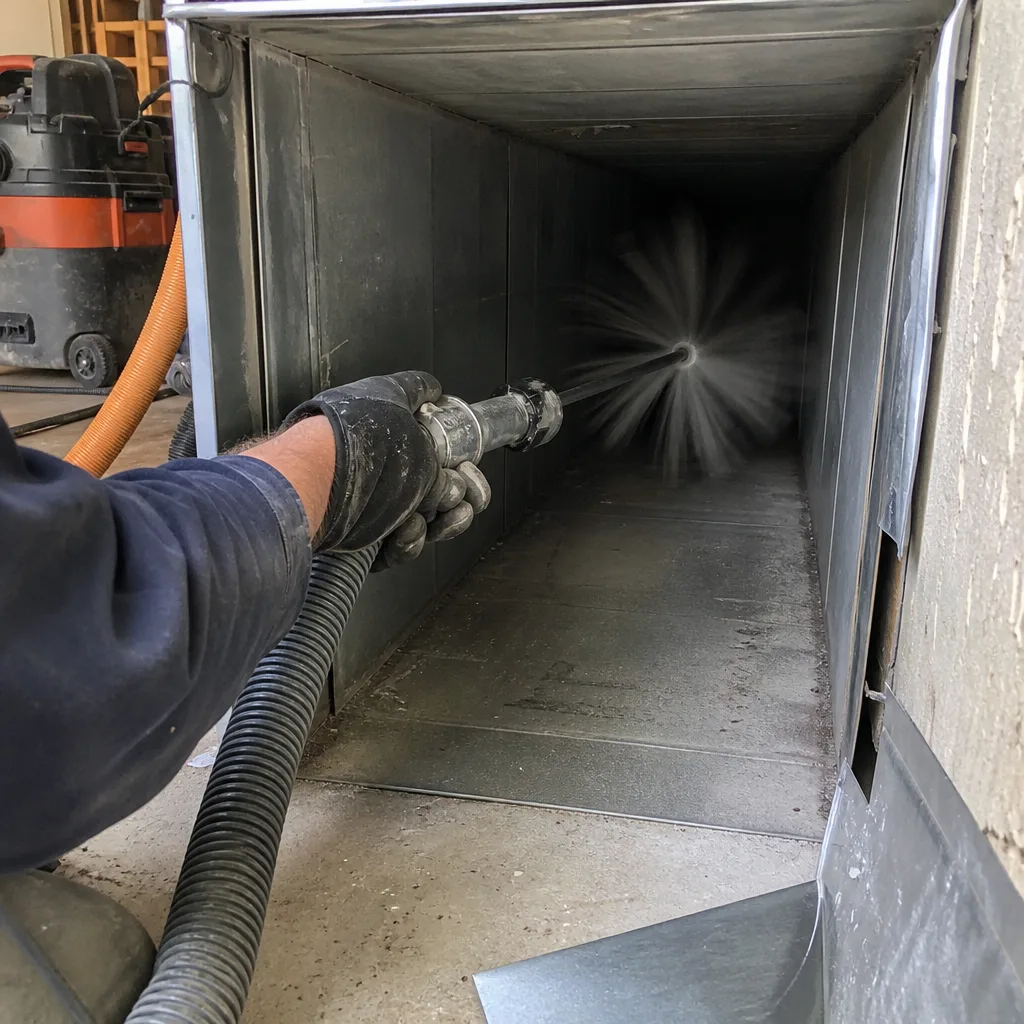
January in Elk Grove Village brings overnight lows in the teens and daytime highs that may not reach freezing. Your attic or crawl space can be 20-40 degrees colder than your living space. This is when flex duct failures become detectable through heating performance, not through visual inspection.
Why Flex Duct Fails in Winter
Flex duct (the insulated flexible tubing common in Elk Grove Village homes built 1975-2005) consists of a plastic inner liner, fiberglass insulation, and a vapor barrier outer jacket. The inner liner becomes brittle with age and thermal cycling. In January’s extreme temperature differential, the liner can crack or separate from the collar at connections. The insulation stays intact, so the failure is hidden.
The Symptom: Uneven Heating You Can’t Explain
A room that was comfortable in November but is persistently cold in January, despite the register blowing warm air, suggests a flex duct disconnection in the attic. The warm air is leaking into the attic. The register still moves air because the blower is drawing return air from the room, but the supply is not delivering conditioned air.
How to Detect Without Entering the Attic
- Run the furnace for 20 minutes to reach steady state.
- Measure the air temperature at the register in the cold room with a kitchen thermometer.
- Measure the air temperature at a register in a comfortable room on the same floor.
- A difference of more than 15 degrees indicates significant duct leakage or disconnection.
- Check the room’s exterior walls with your hand. Cold walls mean poor insulation. Warm walls with a cold room mean the heat isn’t reaching the room.
What to Document
Photograph the thermometer readings with date stamps. Note outdoor temperature and wind conditions. This documentation helps the technician prioritize which duct runs to inspect first with a borescope or by attic entry.
Do not enter your attic in January to inspect flex duct yourself. Attic framing is often inadequate for safe walking, insulation obscures visual inspection, and the cold makes surfaces slippery. This is a professional inspection scenario. What you’ve done is narrow the problem from “the house is cold” to “the master bedroom supply is losing 20 degrees between the trunk and the register.”
How to Build a Seasonal Log That Saves Time and Money
A useful seasonal log is not a diary. It’s evidence, dated and organized, that lets a technician start from context rather than from zero. Here’s the format we’ve found most effective across 52,000+ homes.
The Four-Entry Structure
Create a digital folder (Google Drive, Dropbox, or your preferred platform) with four subfolders: April, July, October, January. Each entry contains:
- Date and outdoor conditions: Temperature, humidity if available, any unusual weather (thunderstorm, polar vortex, etc.). Elk Grove Village’s weather in any given week can vary 30 degrees; context matters.
- Photos with labels: Coil, drain pan, return plenum, registers with paper test results, filter condition, thermometer readings. Rename files descriptively: “2024-04-15_coil_dry.jpg” not “IMG_4739.jpg”.
- Notes on what you found: Two to three sentences. “Drain pan dry. Coil fins clean. Return plenum shows light dust, no gaps.” Or: “Standing water in drain pan, approximately 1/4 inch. Musty smell present. Photo attached.”
- Any professional service performed: Date, company, scope, and whether a photo record was provided.
What This Accomplishes
When you schedule your annual professional cleaning, share the log. The technician can:
- Compare current coil condition to your April photo and determine if degradation is accelerating.
- Focus borescope inspection on the duct runs you identified as weak in July, rather than inspecting every run blindly.
- Verify whether October’s burn-off smell was typical or atypical based on your filter and return photos.
- Prioritize attic inspection to the specific January temperature-differential finding.
This transforms your annual service from a standardized package into a targeted intervention. In our experience, homeowners with documented logs receive more precise scope recommendations and avoid unnecessary add-on services.
The log also protects you. If a contractor recommends coil cleaning but your April photo shows a clean coil, you have grounds to question the recommendation. If a contractor claims your ducts are “filled with construction debris” but your July register photos show clean grilles and strong airflow, you can ask for specific evidence.
What to Expect from Your Annual Professional Cleaning
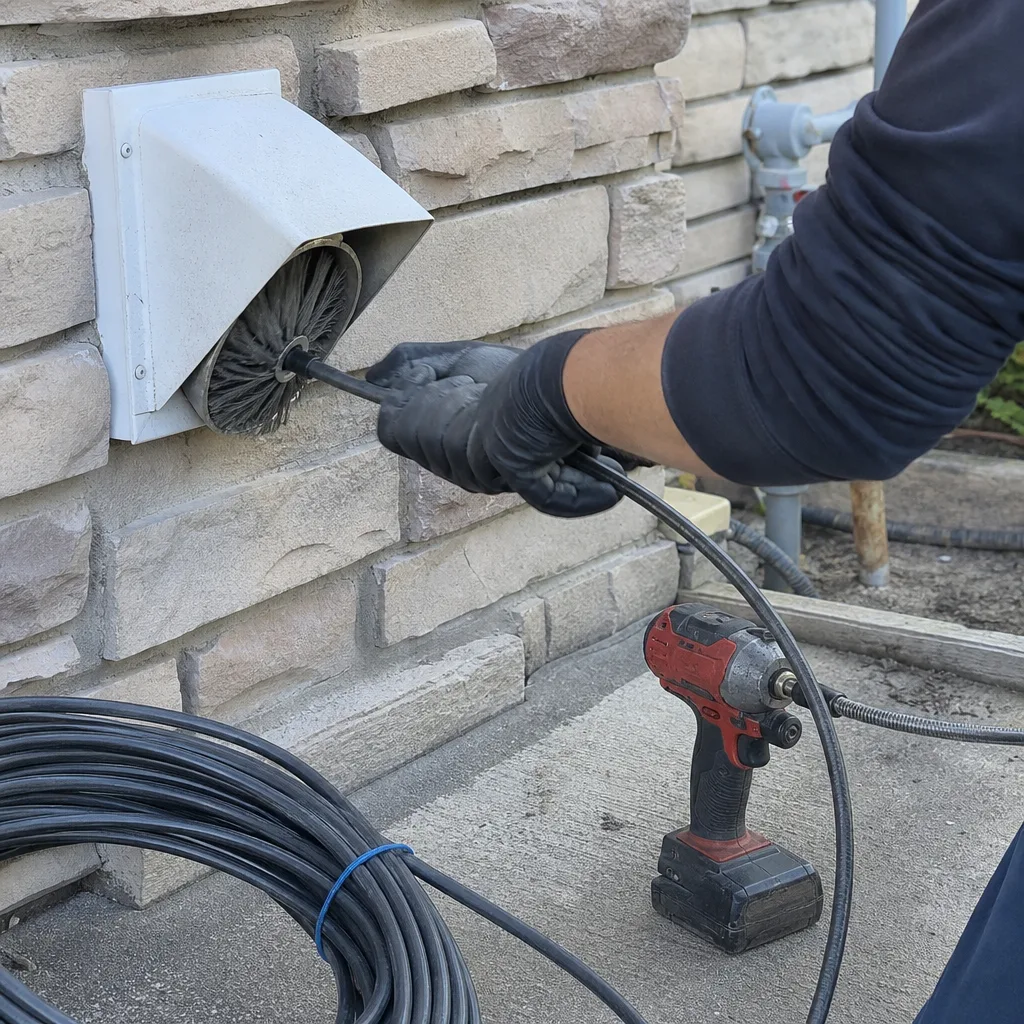
Seasonal homeowner inspections supplement but do not replace professional service. Here’s what a complete annual cleaning should include, and how to verify you’re receiving it.
Scope of Work
A complete residential air duct cleaning in Elk Grove Village should address:
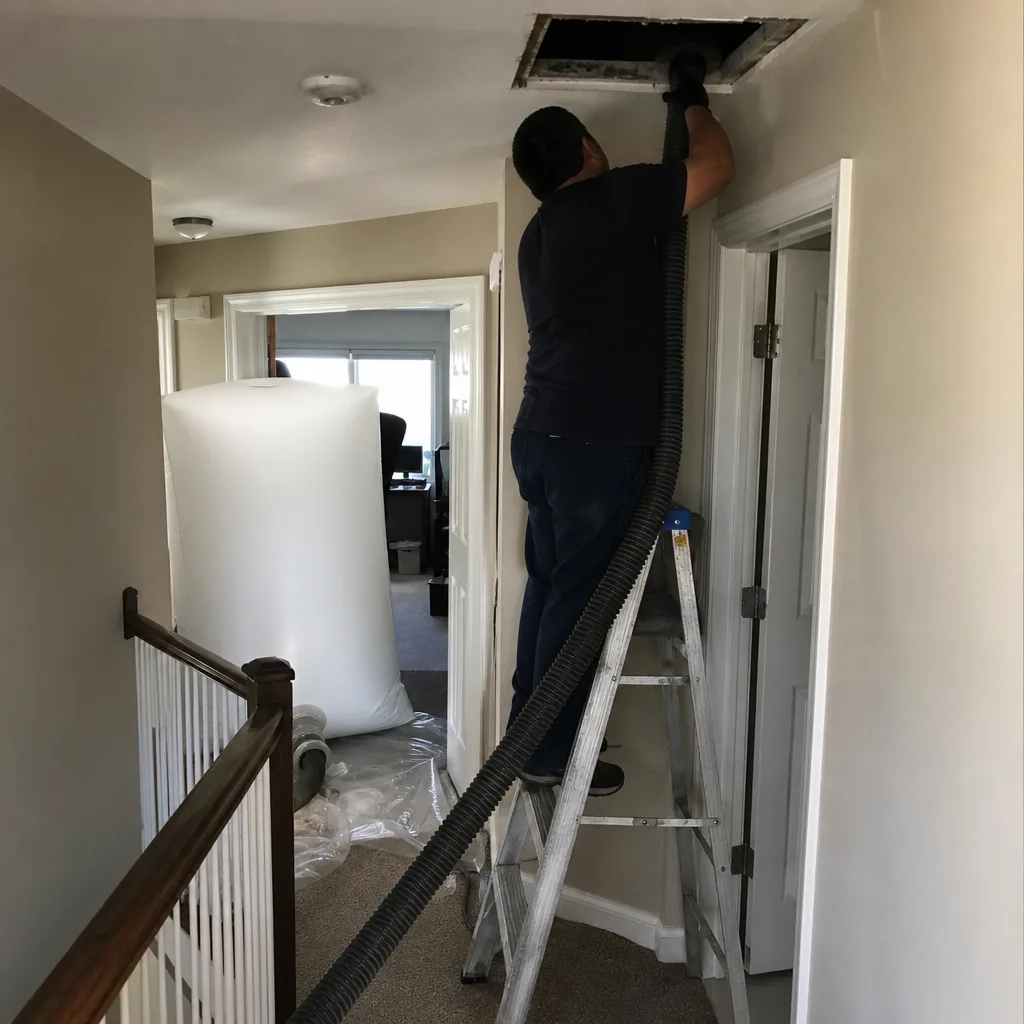
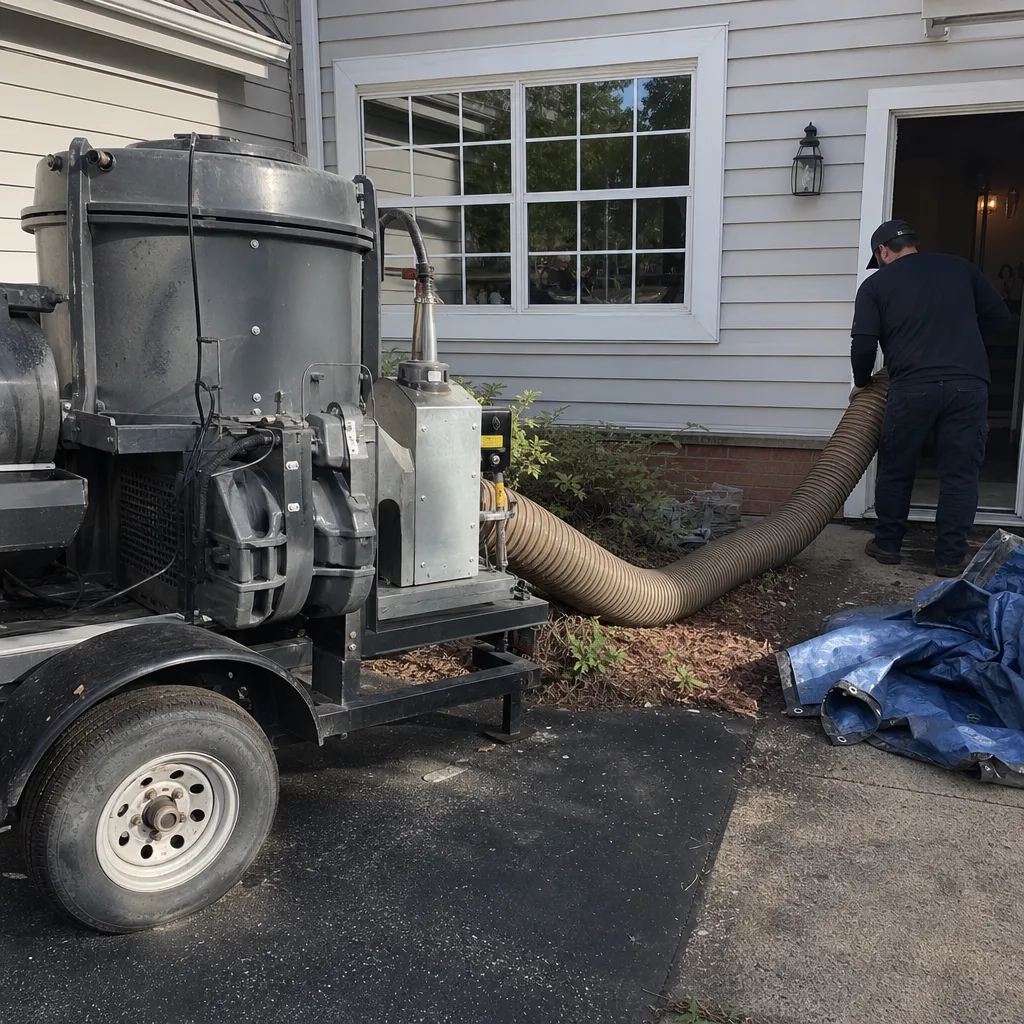
- Supply and return trunk lines: The large central ducts, cleaned with negative-pressure extraction (a large vacuum attached to the system that pulls debris out while agitation tools loosen it).
- Branch duct runs: The smaller ducts feeding individual rooms, cleaned with rotary brushes or compressed air whips.
- Registers and grilles: Removed, washed, and reinstalled.
- Furnace cabinet and blower: Vacuumed and wiped, not just blown off with compressed air.
- Coil and drain pan inspection: Visual inspection with photo documentation; cleaning if indicated.
How to Verify the Work
Before agreeing to service, confirm three things in writing:
- Written price before work starts: The scope and total cost, documented, with no per-vent add-ons. CleanRun’s Haven Standard Clause 1 requires this on every job.
- Photo record of every duct run: Before and after images of the interior of each supply and return run, delivered as part of the job record. This is standard on every CleanRun visit since 2013.
- Equipment specification: The brand and type of cleaning equipment. Professional-grade systems include Rotobrush rotary brush systems, Nikro negative-pressure vacuums, or Abatement Technologies HEPA-filtered extractors. Naming the equipment lets you verify its capabilities independently.
A homeowner with a seasonal log should expect the technician to review it, ask clarifying questions, and adjust the inspection plan accordingly. If the technician ignores your documentation and proceeds with a generic package, that is information about the service model you’re receiving.
CleanRun Air Duct Cleaning Elk Grove Village home provides documented photo records on every visit, written prices before any work starts, and background-checked, uniformed technicians operating under the H.A.V.E.N. Standard.
Common Mistakes to Avoid
- Cleaning the coil with household spray foam. Foaming cleaners leave residue that attracts dust and can corrode aluminum fins. We’ve replaced coils in Elk Grove Village homes where this “maintenance” accelerated failure by years.
- Sealing registers with tape to “improve” airflow. This creates pressure imbalances that strain the blower motor and can cause backdrafting in gas appliances. Airflow problems need duct repair, not register blocking.
- Ignoring the April inspection because the AC “worked fine last year.” Last year’s performance does not predict this year’s condensate drainage. Settling, biological growth in drain lines, and filter degradation are progressive.
- Assuming a strong furnace smell in October is “just dust” without timing it. The dust burn-off has a characteristic duration. A smell that persists or intensifies is not dust.
- Entering the attic in January without proper walkway boards and lighting. Flex duct inspection requires close visual examination of connections. Doing this from joist edges in cold, dark conditions is how homeowners fall through ceilings.
- Accepting a “whole house” price without knowing what’s included. Some Elk Grove Village competitors quote low and charge per vent, or clean only the trunk lines and leave branches untouched. Written scope prevents this.
- Discarding seasonal photos after the annual cleaning. Year-over-year comparison reveals trends. A coil that was clean in 2022, lightly dusted in 2023, and heavily coated in 2024 indicates a filter or return leak problem that cleaning alone won’t fix.
When to Call a Professional
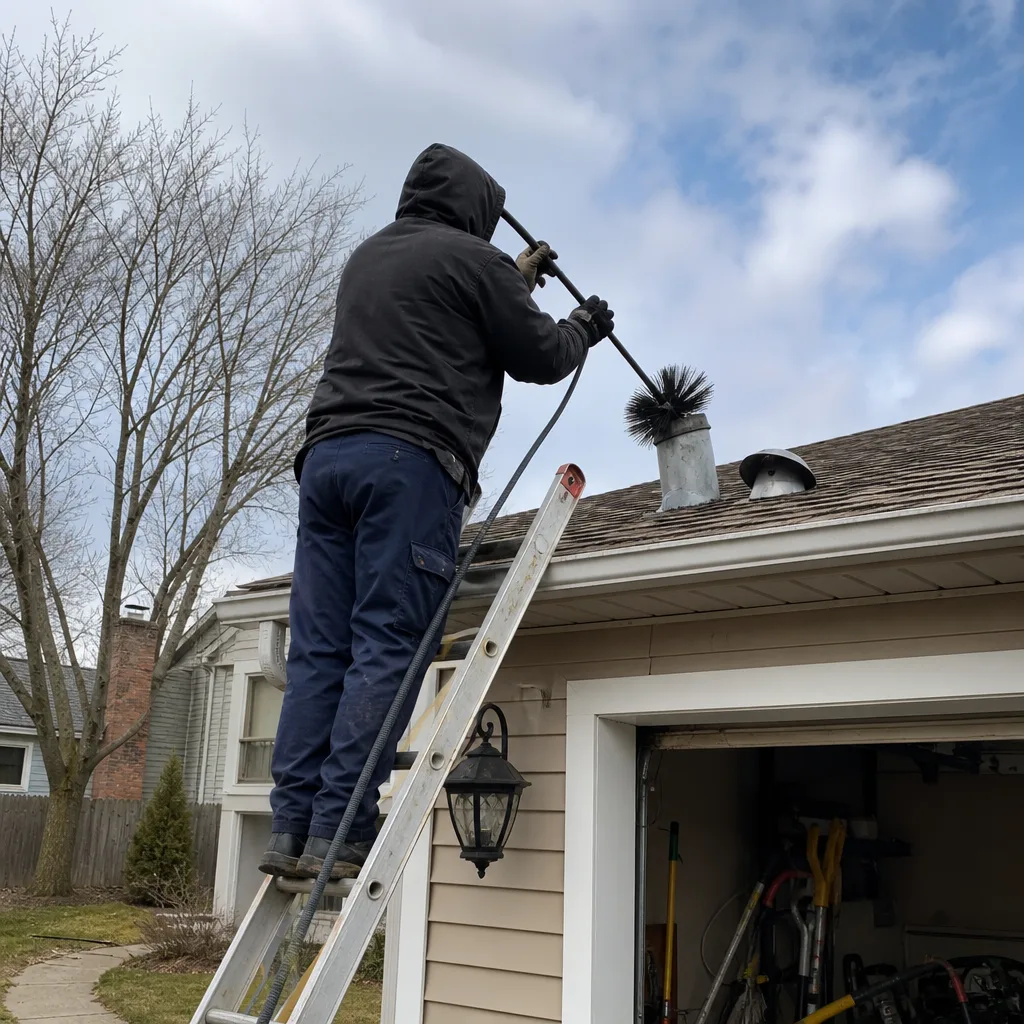
Call for professional inspection when your seasonal checks reveal: standing condensate that recurs after clearing the drain line; temperature differentials between registers exceeding 15 degrees; persistent musty smells that survive filter changes; or any sharp, chemical, or sulfur smell from the furnace. Also call if your flex duct is more than 20 years old and you’ve never had it inspected - the brittle liner failure mode is age-dependent and predictable.
CleanRun Air Duct Cleaning Elk Grove Village offers free estimates in Elk Grove Village. Explore more guides & resources on our blog. Every estimate includes a written price before any work starts, under Haven Standard Clause 1. Call (224) 344-8881 to schedule. Bring a competitor’s written quote; we’ll provide a free second opinion with our number next to it.
Frequently Asked Questions
Complete residential air duct cleaning in Elk Grove Village typically ranges from $450 to $850 for a single-system home, depending on system accessibility, duct material (sheet metal, flex, or ductboard), and whether coil or dryer vent service is included. See our Air Duct Cleaning Cost Breakdown: The Elk Grove Village Homeowner’s Reference for 2026 for detailed pricing factors. CleanRun provides a written, flat price per system before any work begins - no per-vent add-ons, no post-arrival upsells. Call (224) 344-8881 for an exact quote; estimates are free.
Low quotes typically exclude branch duct runs, use shop-vacuum equipment rather than negative-pressure extraction systems, or add per-vent charges that multiply the final invoice. A $199 “whole house” special often covers only the trunk lines, leaving the majority of your ductwork untouched. Ask for written scope: how many duct runs, what equipment (Rotobrush, Nikro, or equivalent), and whether before-and-after photos are included as standard.
Demand a documented photo record of every duct run, before and after. The interior surface of each supply and return branch should be visible in the photos, with debris present in the “before” and removed in the “after.” CleanRun has delivered this on every job since 2013. If a company cannot or will not provide it, that is information about what you paid for.
For most Elk Grove Village homes, a complete professional cleaning every three to five years is adequate if seasonal homeowner inspections are performed and filters are changed on schedule. Homes with shedding pets, recent renovation, or occupants with respiratory conditions may need more frequent service. The seasonal log described in this guide tells you whether your interval should be shorter or longer based on documented accumulation rates, not calendar assumptions.
Homeowners can and should clean registers and change filters. Branch duct runs and trunk lines require negative-pressure extraction equipment that attaches to the main ducts and pulls debris out of the system. Attempting to clean ducts with a household vacuum or compressed air without containment disperses debris into the living space. The equipment used by CleanRun - including Nikro HEPA-filtered extractors and Rotobrush agitation systems - is designed to contain and remove debris, not redistribute it.
Yes. The combination of summer humidity (promoting biological growth in condensate areas), winter temperature extremes (stressing flex duct connections), and spring pollen loads (accelerating filter loading) creates specific wear patterns. Homes near the Busse Woods area may also see higher particulate loads from forest canopy debris. Seasonal inspections calibrated to these conditions catch problems before they require remediation rather than maintenance.
The Bottom Line
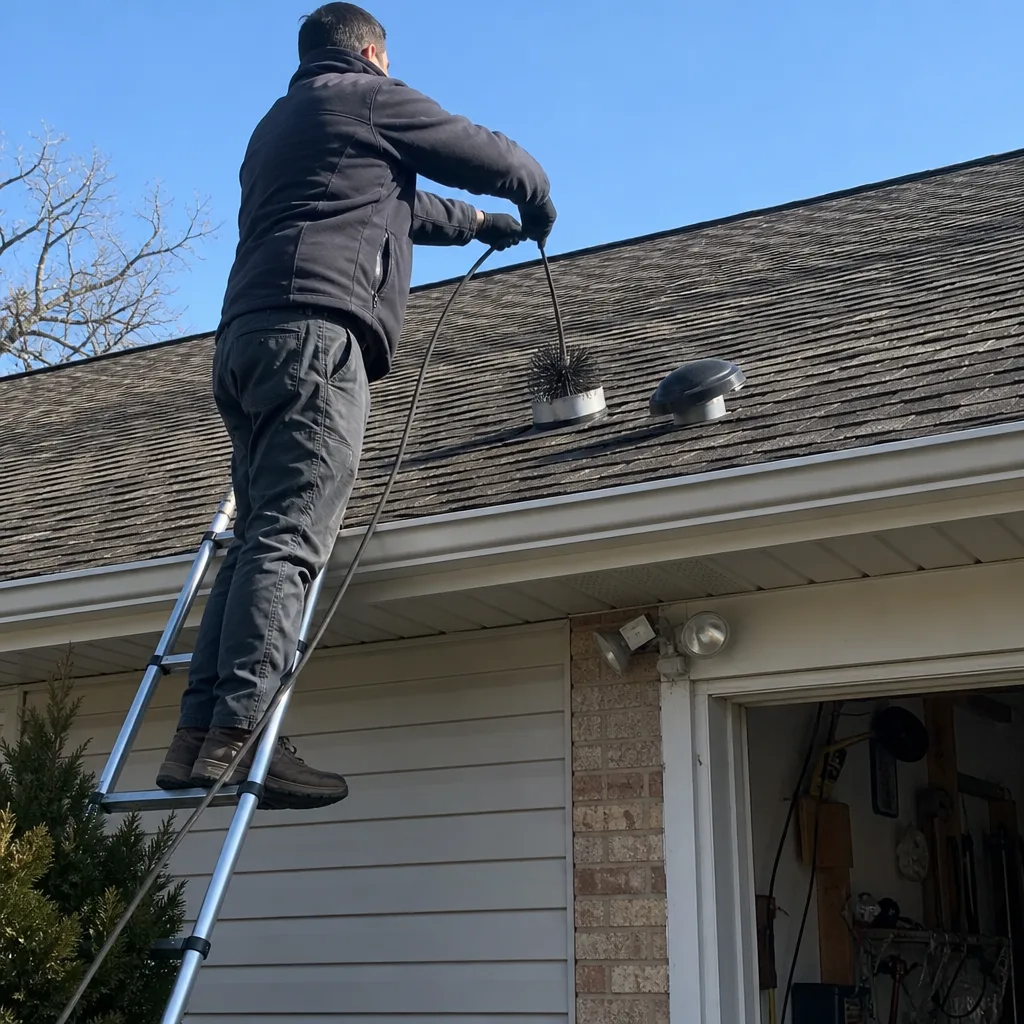
Seasonal duct care in Elk Grove Village is four brief inspections per year, each timed to a system transition, each producing dated evidence. April prevents August mold. July reveals hidden disconnections. October distinguishes dust from danger. January finds flex duct failures when they’re detectable through performance, not yet through visible damage. The homeowner who builds this log receives faster, more accurate, and more honestly scoped professional service. The homeowner who skips it pays for guesswork, often repeatedly.
Call CleanRun Air Duct Cleaning Elk Grove Village at (224) 344-8881 for a free estimate. Every job starts with a written price, includes a documented photo record of every duct run, and is backed by the 365-Day Done Right Promise.
Written by Tomas Reyes, Owner at CleanRun Air Duct Cleaning Elk Grove Village, serving Elk Grove Village since 2013.