
Last updated September 23, 2026
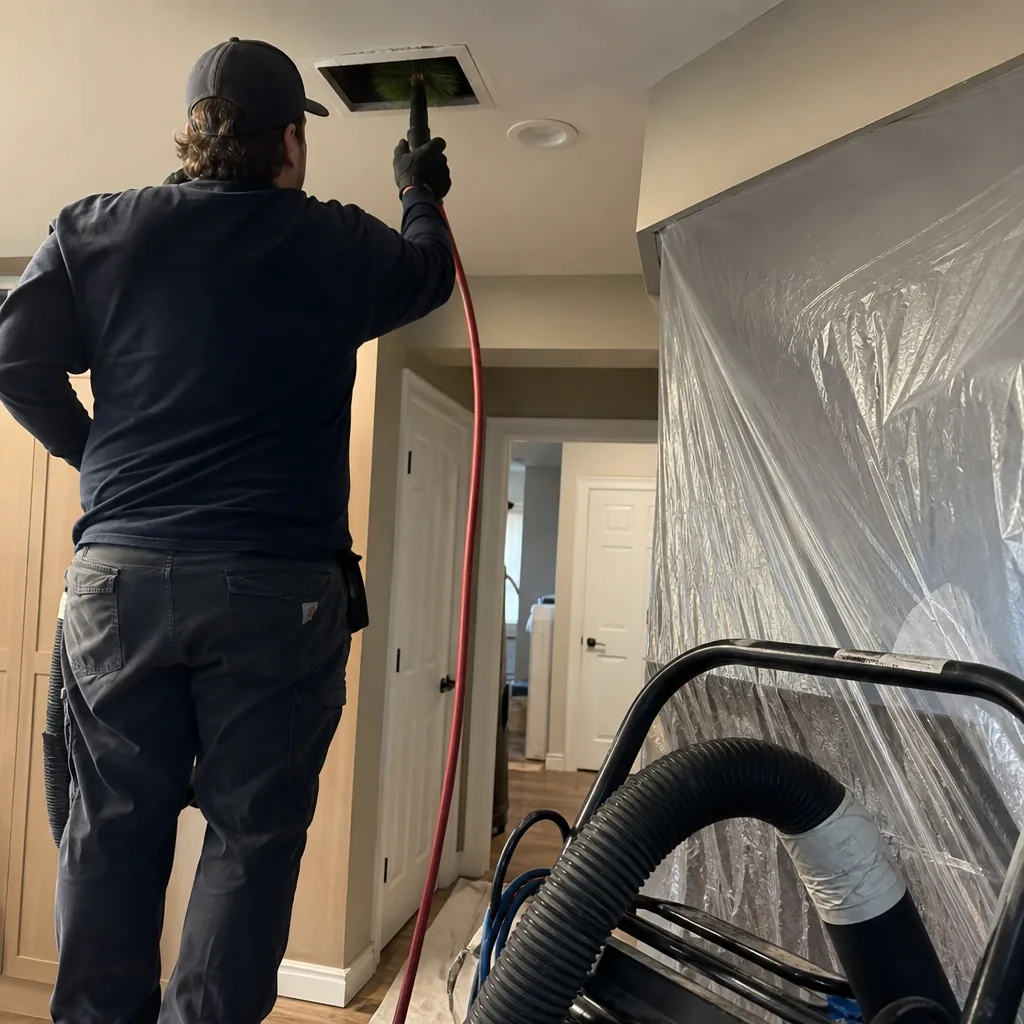
Whole-system duct and dryer vent check with before-and-after photos - you see exactly what came out of your vents
That "$99 whole-house special" is a bait ad - the real number appears once they are in your hallway, or the "clean" is a shop-vac at the register. We photograph the inside of your ducts before and after instead.
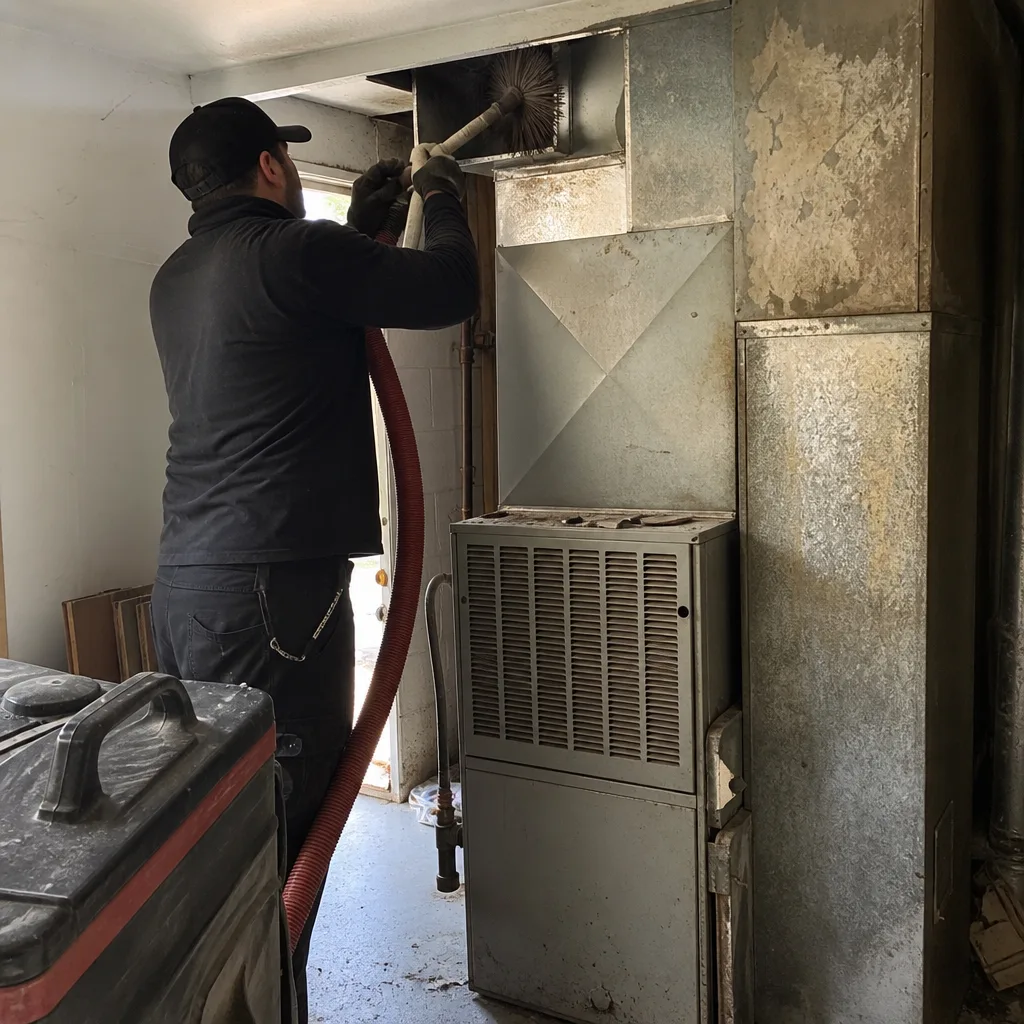 Before
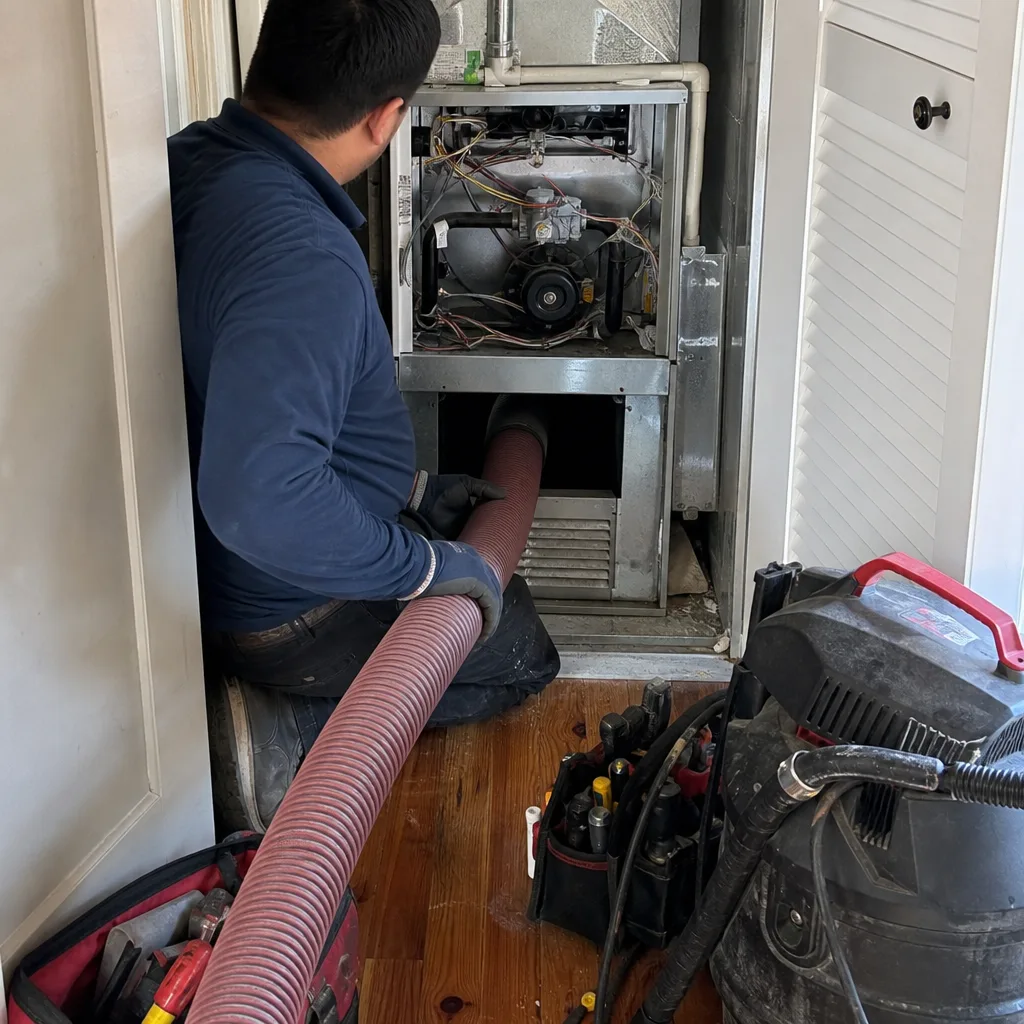 After
After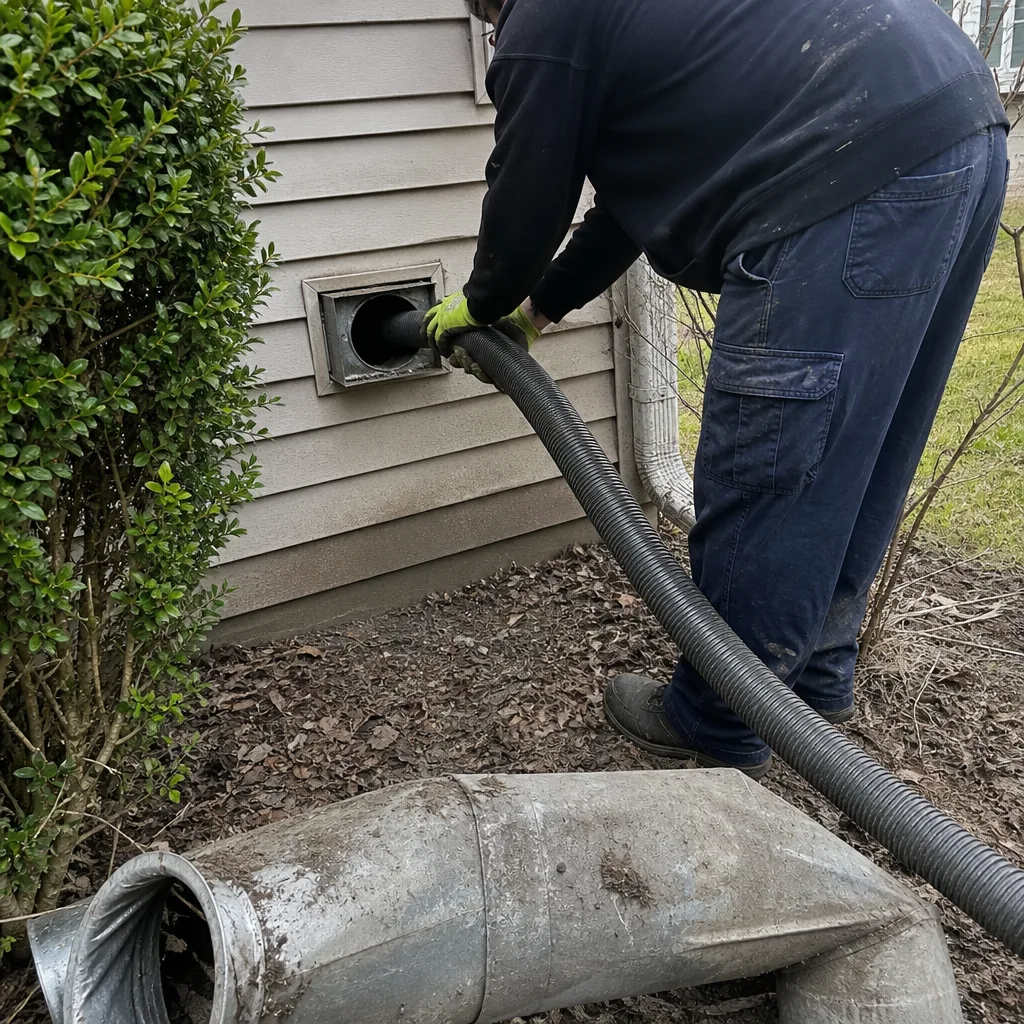 Before
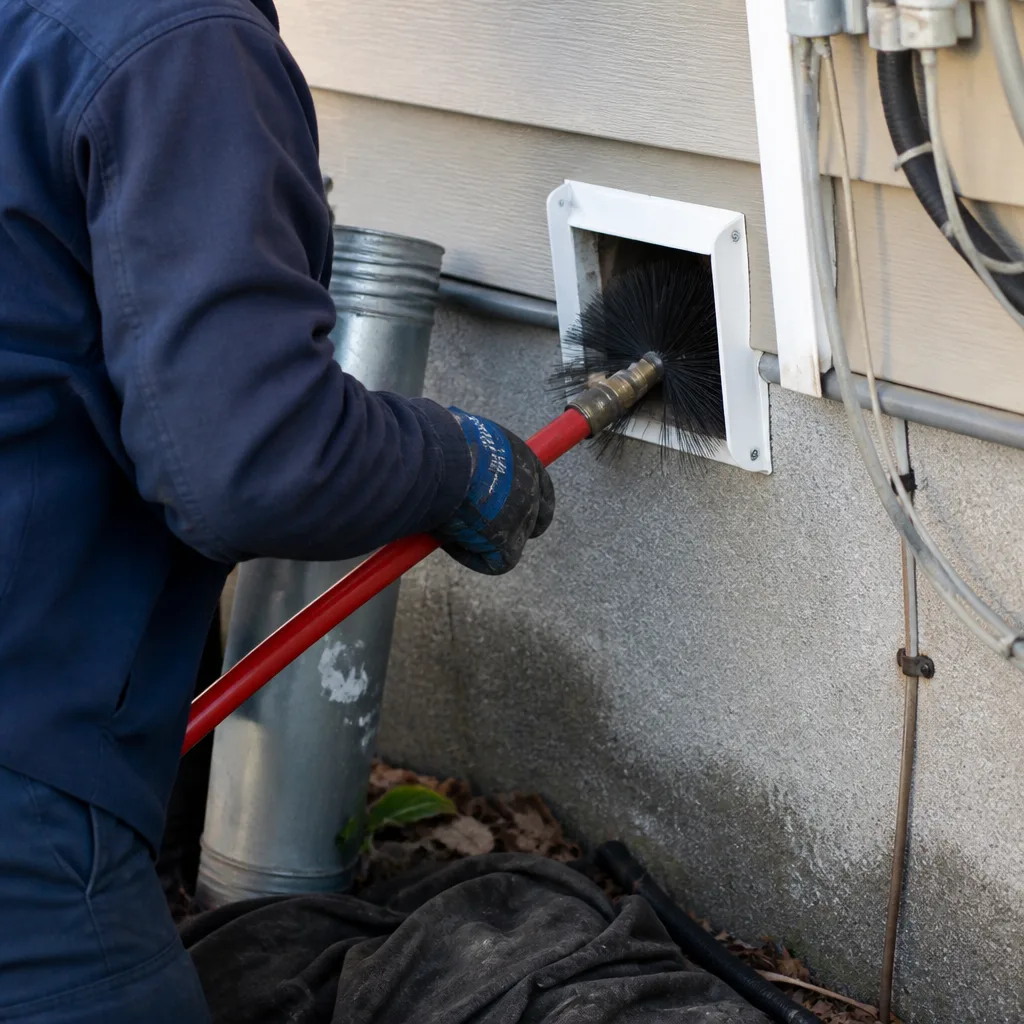 After
After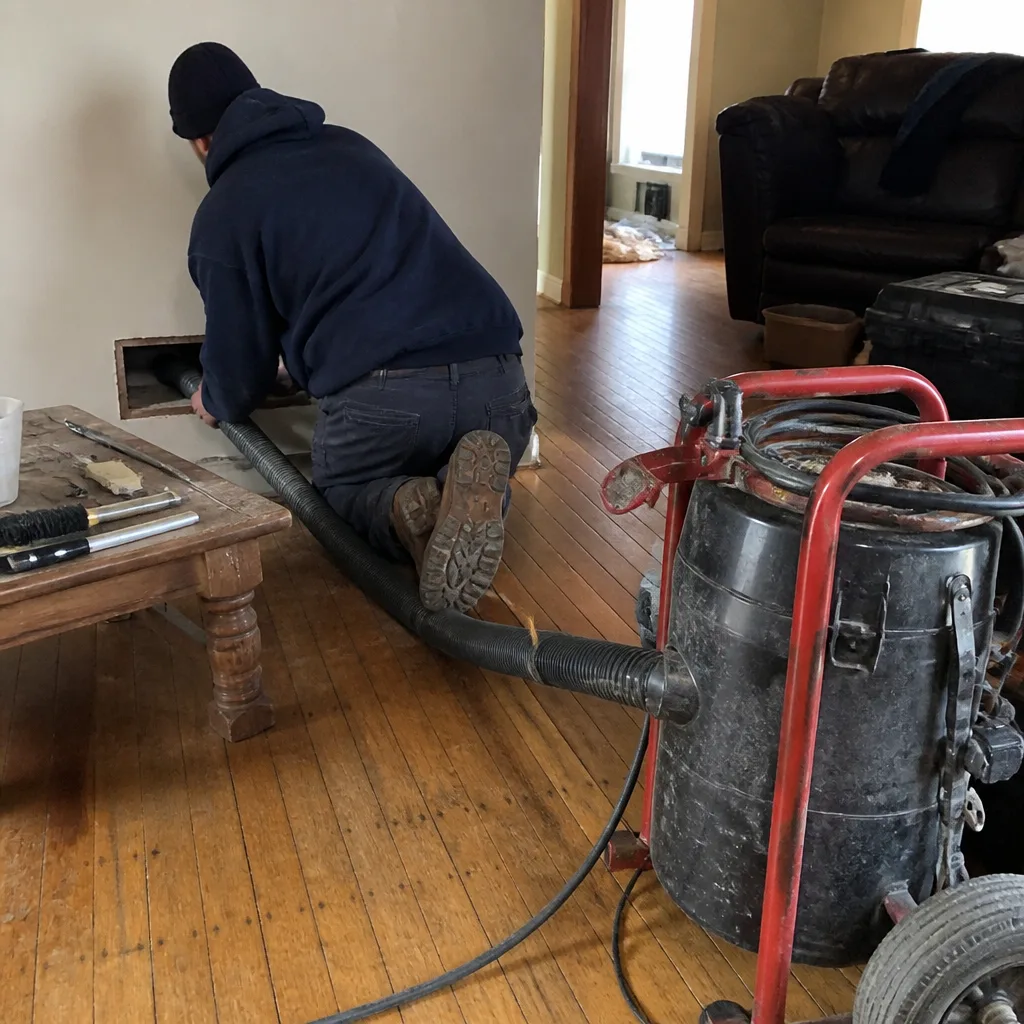 Before
 After
AfterThe Complete Guide to Air Duct Cleaning in Elk Grove Village
The average residential duct system in a 1980s-built Elk Grove Village home contains between 12 and 22 individual supply and return runs. A $79 coupon job physically cannot clean all of them in under two hours, yet that’s the service most homeowners accept without question. This guide replaces that guesswork with a documented, step-by-step account of what actually happens inside a residential duct system from inspection to final photo, and links to more guides & resources for ongoing maintenance. You’ll learn how to read a written quote, what equipment specifications matter, why Elk Grove Village’s housing stock creates unique challenges, and how to verify the work was done after the truck leaves.
Quick Answer
Professional air duct cleaning in Elk Grove Village typically costs $400-$800 for a whole-home system and takes 3-5 hours for a thorough job. A legitimate service includes a written upfront price, negative-pressure extraction with truck-mounted or high-CFM portable equipment, before-and-after photography of every duct run, and a documented job record. Anything less is a partial cleaning at best.
Table of Contents
- What a Legitimate Duct Inspection Actually Documents
- Negative-Pressure vs. Portable: Understanding CFM and What It Means for Your Home
- Elk Grove Village’s Housing Stock: Duct Geometry Challenges in 1970s-1990s Construction
- How to Read a Written Quote Line by Line
- The Full Cleaning Process: From Setup to Final Photo
- What the Finished Job Record Should Contain
- Common Mistakes to Avoid
- When to Call a Professional
- Frequently Asked Questions
- The Bottom Line
BeforeAfterWhat a Legitimate Duct Inspection Actually Documents
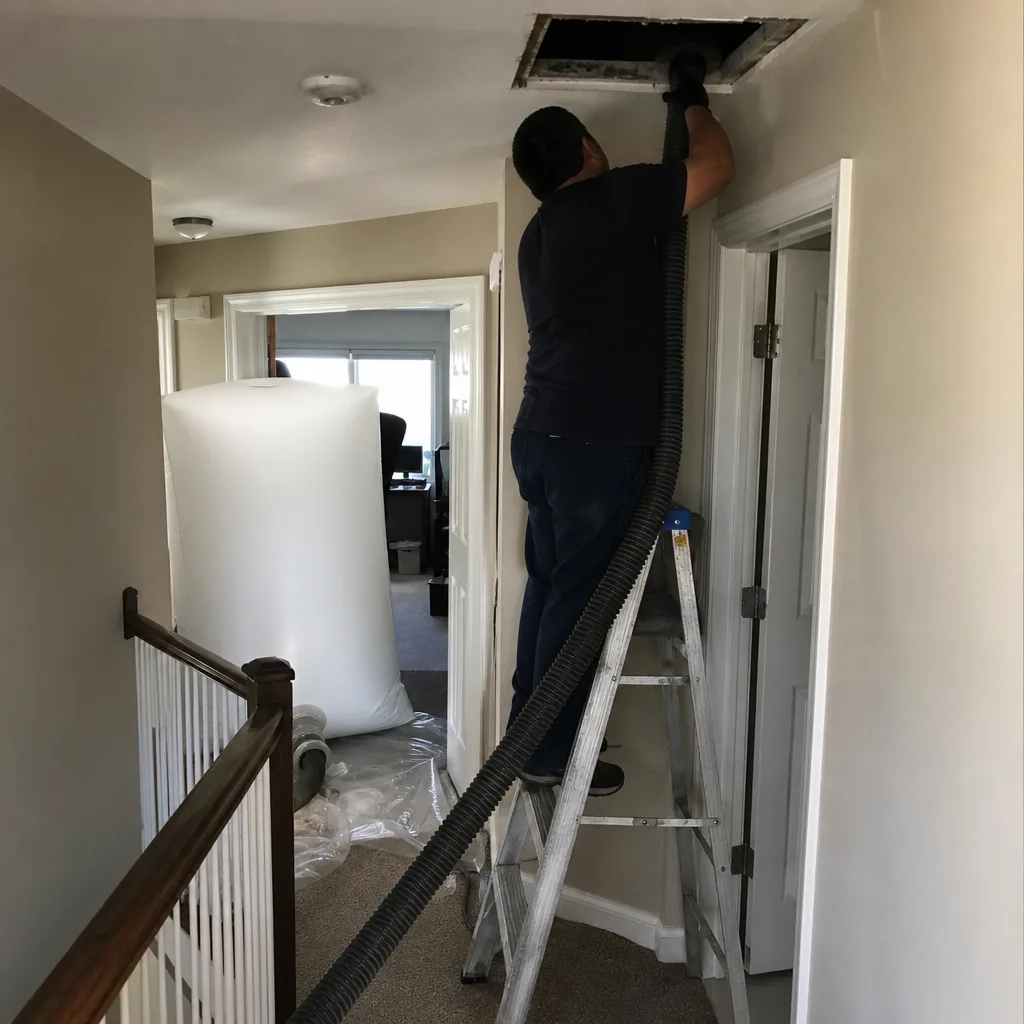
A proper duct inspection is not a flashlight glance at a ceiling register. It’s a systematic documentation of what exists inside your system, what condition it’s in, and what cleaning will actually address. In Elk Grove Village, where many homes have gone 15-25 years between duct services, the variance between houses is enormous. We’ve opened systems that looked nearly new and others where the first elbow held three inches of compacted debris.
Here’s what a legitimate inspection documents:
- Debris type and composition: Fine dust, construction debris, pet hair, mold-like staining, or rodent evidence. Each requires different handling and different equipment.
- Location mapping: Which duct runs show buildup and which don’t. Not every run degrades equally; kitchen returns and basement supplies typically accumulate faster than second-floor bedrooms.
- Depth measurement: Estimated thickness of debris at key points, especially at elbows, transitions, and the plenum (the central distribution box where heated or cooled air enters the duct network).
- Mechanical damage: Disconnected flex duct, crushed runs, deteriorated tape seals, or corrosion in metal trunk lines. Cleaning won’t fix these; they need repair before or during service.
- Register and boot condition: Stuck or painted-shut dampers, damaged grilles, or boots pulling away from drywall.
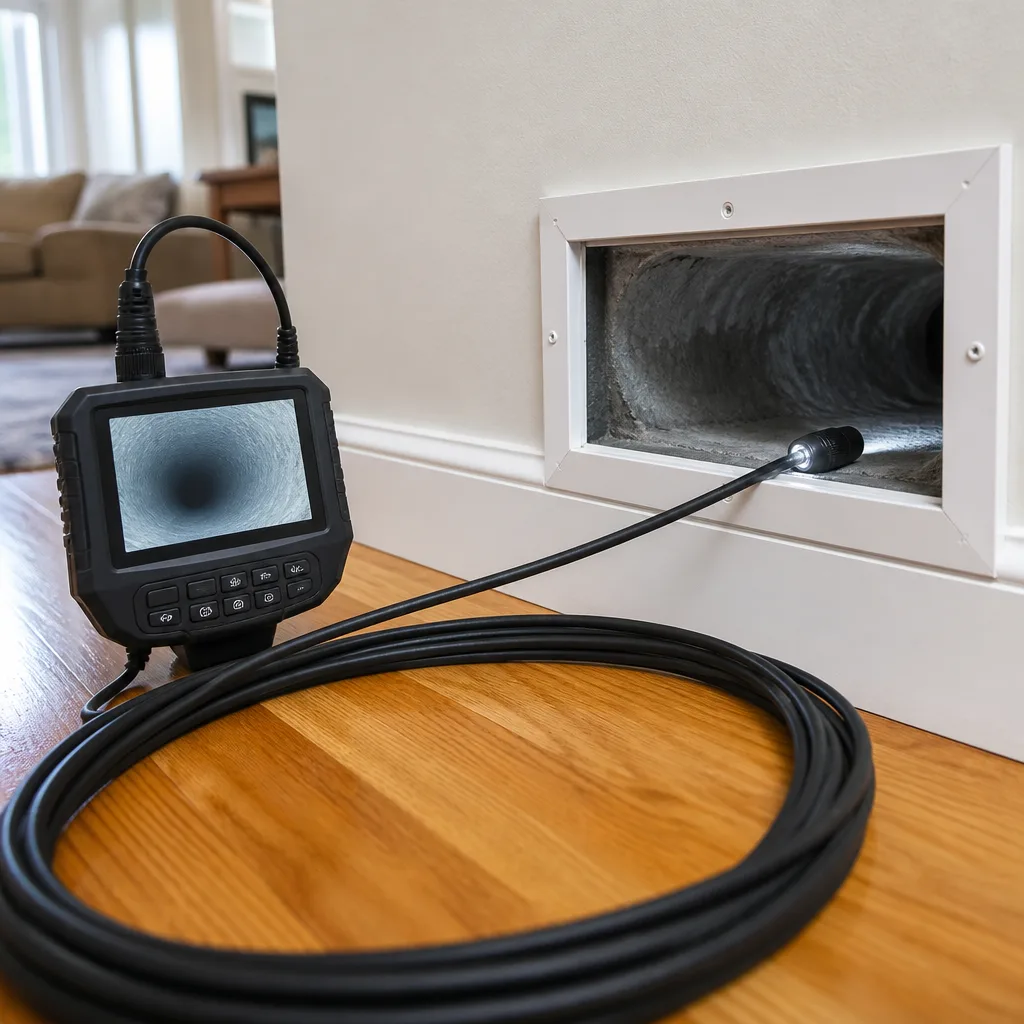
At CleanRun, every inspection includes before photos taken at each register point with a borescope camera. The customer sees these before any price is discussed. Haven Standard Clause 1 requires a written price before work starts, and that price is based on what the camera actually showed, not a flat rate pulled from a coupon sheet.
The inspection also notes the equipment roster we’ll need. A system with heavy pet hair and 20 years of accumulation may need Rotobrush contact cleaning on the supply branches plus Nikro negative-pressure extraction on the returns. A lightly used system in a newer Elk Grove Village townhome might need only the extraction pass. The point is: the inspection determines the scope, and the scope determines the price. Not the other way around.
Negative-Pressure vs. Portable: Understanding CFM and What It Means for Your Home
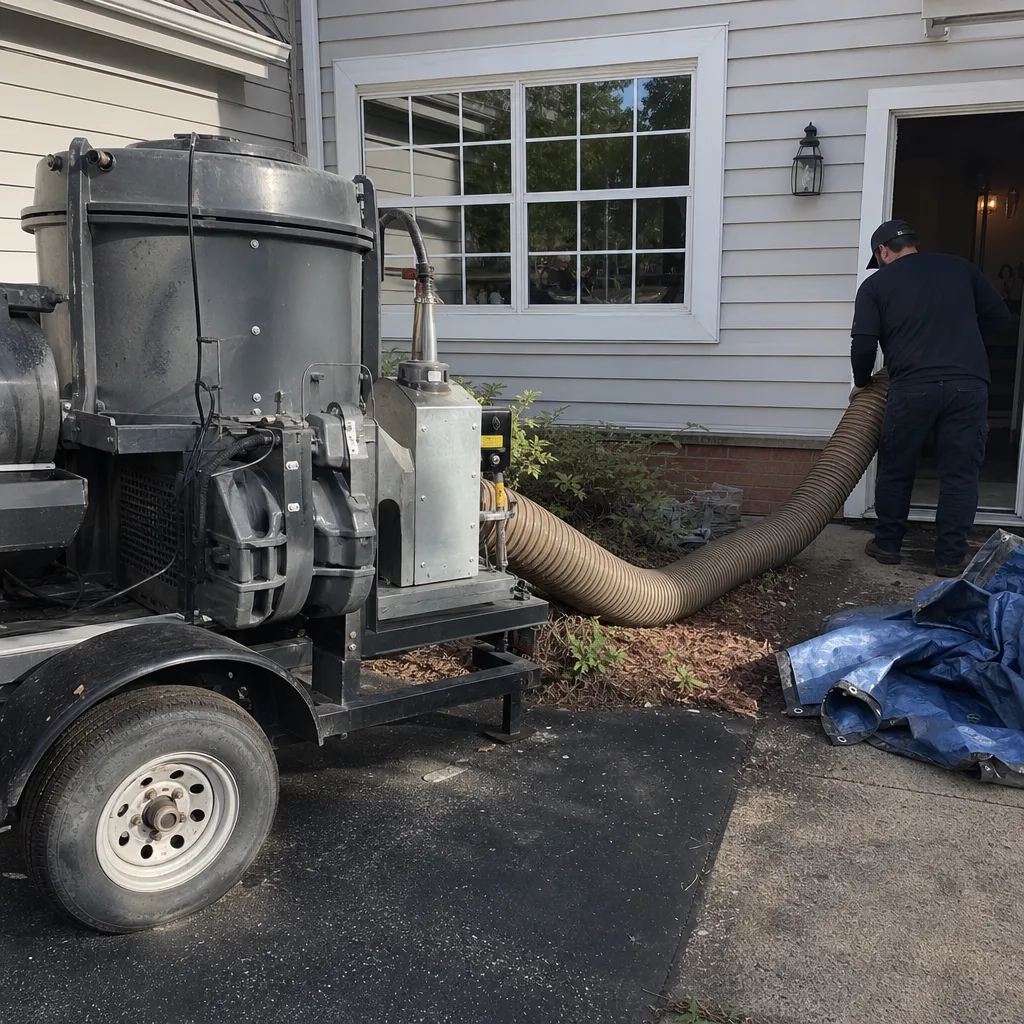
Equipment specifications separate documented work from vacuum noise. The critical number is CFM: cubic feet per minute of air movement. This measures how much suction the system generates, which determines whether debris is actually extracted or merely agitated and redistributed.
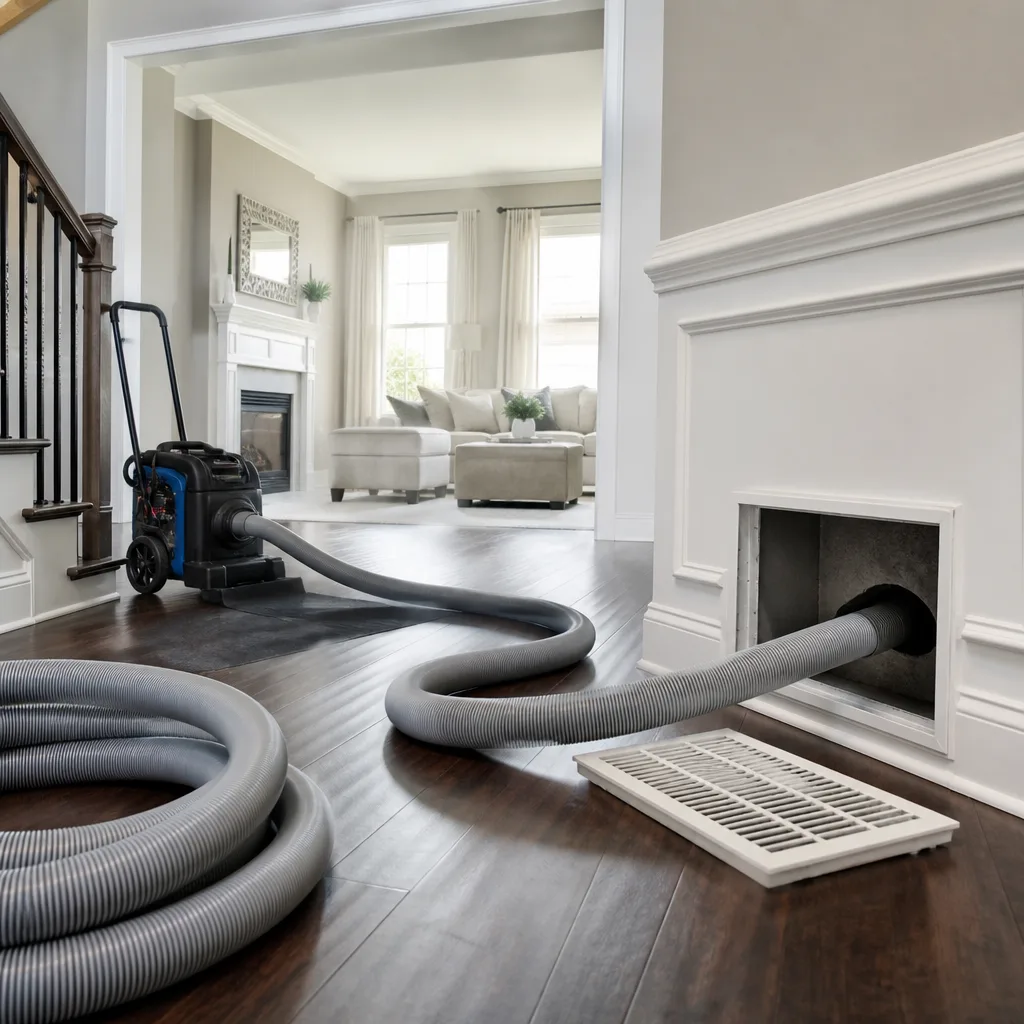
Truck-mounted negative-pressure systems typically produce 10,000-15,000 CFM through a large vacuum collector mounted on the service vehicle. A 4-inch suction hose connects to your main trunk line, creating negative pressure throughout the system. This is the standard for commercial jobs and larger residential systems.
High-CFM portable units, such as those from Nikro and Abatement Technologies, produce 2,000-5,000 CFM in a wheeled cabinet that technicians bring inside. These are necessary for Elk Grove Village homes where truck access is limited: narrow driveways in the older sections near Biesterfield Road, townhomes with shared parking, or winter conditions where the truck cannot be positioned close enough to the house.
For a 2,000 square foot home with 16 duct runs, here’s what those numbers mean in practice:
| Equipment Type | CFM Range | Typical Coverage | Time Required |
|---|---|---|---|
| Truck-mounted negative pressure | 10,000-15,000 CFM | Whole system simultaneously | 2.5-3.5 hours |
| High-CFM portable (Nikro, Abatement) | 2,000-5,000 CFM | Zone-by-zone sequential | 3.5-5 hours |
| Shop-vac or low-CFM portable | 150-300 CFM | Surface register only | 1-1.5 hours |
The $79 coupon jobs rely on that bottom category. A 150 CFM shop-vac can clean the visible six inches behind a register grille. It cannot extract debris from a 25-foot flex duct run terminating in a second-floor bedroom. The math is simple: insufficient suction means insufficient removal.
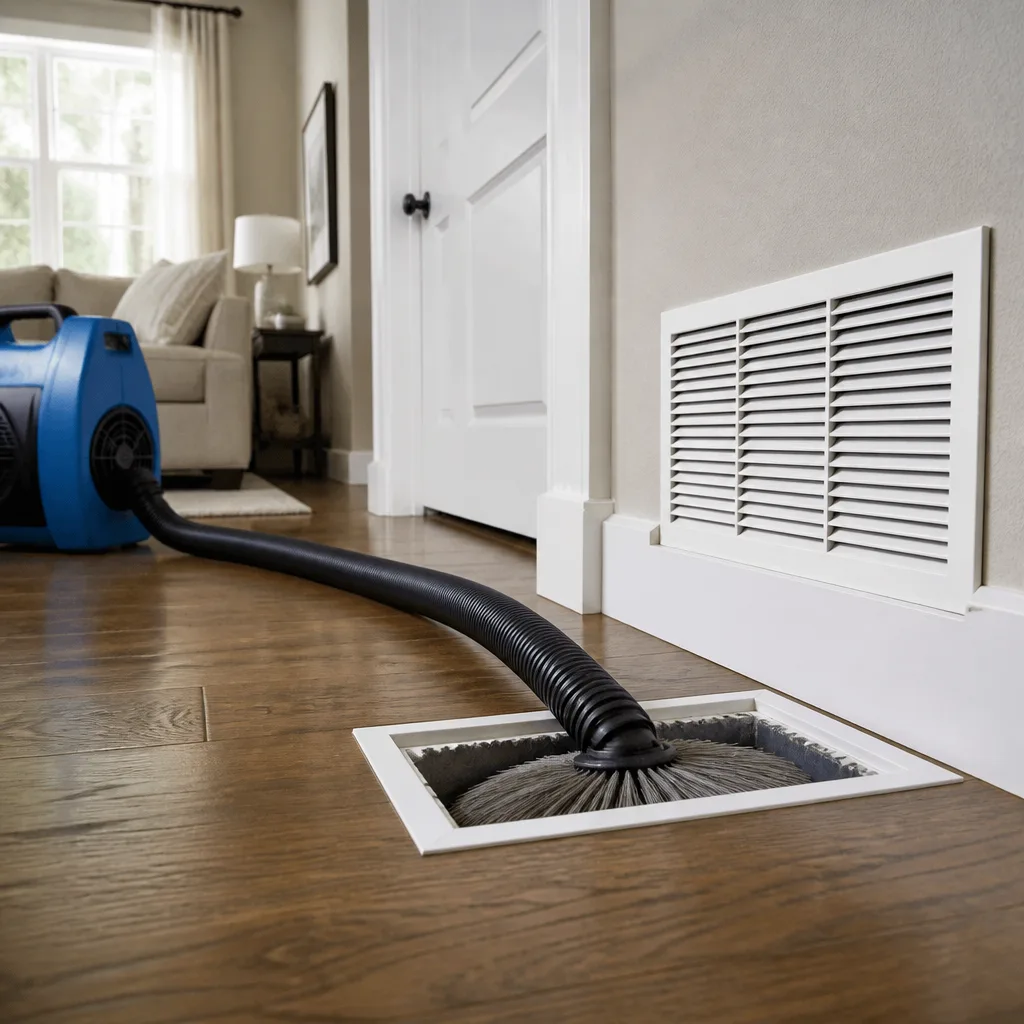
CleanRun’s equipment roster includes Rotobrush for contact agitation in stubborn runs, Nikro and Abatement Technologies portable negative-pressure units, and truck-mounted systems where access permits. We specify which equipment the written quote includes, so customers can verify the specifications independently. Honeywell and Aprilaire media filters are specified when filter upgrades are recommended, with the MERV rating noted in writing.
Elk Grove Village’s Housing Stock: Duct Geometry Challenges in 1970s-1990s Construction
Elk Grove Village was substantially built out between 1962 and 1995, with the heaviest concentration in the 1970s and 1980s. This matters for duct cleaning because the construction methods of that era create specific, predictable challenges that newer equipment and techniques must address.
Ranch and split-level dominance: The village’s housing stock is predominantly single-story ranch and split-level designs. Ranches often have long, straight trunk lines running the length of the house with short branch ducts to each room. Split-levels have multiple small duct networks serving different floors, frequently with the main trunk buried in a slab or framed into a lowered ceiling. Both designs create accessibility issues.
Inaccessible trunk lines: In many Elk Grove Village ranches, the main supply trunk is a rectangular metal duct running through an unfinished basement or crawl space. If that basement was later finished, the trunk may be buried behind drywall with no access panels. A thorough cleaning requires cutting access ports at strategic points, cleaning, then sealing the ports with code-compliant covers. The $79 coupon job skips this entirely.
Flex duct transitions: 1980s construction often used metal trunk lines with flex duct branches, a combination that seemed economical at the time. The flex connections degrade: the inner liner tears, the insulation layer compresses, and the wire helix corrodes. We’ve found flex ducts in Elk Grove Village homes where the inner liner had separated completely, dumping conditioned air into the attic or wall cavity. Cleaning these without inspection risks further damage.
Original duct sealant: Many systems were sealed with fabric-backed duct tape, which deteriorates after 10-15 years. By now, most original tape in Elk Grove Village homes has failed. A cleaning job that doesn’t include resealing accessible joints is incomplete, because the system will simply recontaminate through the leaks.
Asbestos-containing materials: Pre-1980 homes may have asbestos duct tape or insulation. CleanRun technicians are trained to identify these materials and stop work if found, referring the homeowner to a licensed abatement contractor. This is Haven Standard Clause 4: Stop Work Authority. We don’t clean around asbestos; we document it and explain the proper remediation path.
The specific neighborhoods matter too. Homes near the original village center, south of Biesterfield and east of Arlington Heights Road, tend toward 1960s ranches with original metal duct and minimal modification. The areas developed in the 1980s and early 1990s, west of Meacham Road and north of Higgins, include more split-levels with complex duct geometry and more finished basements that limit access. Each requires a different inspection approach and different equipment deployment.
How to Read a Written Quote Line by Line
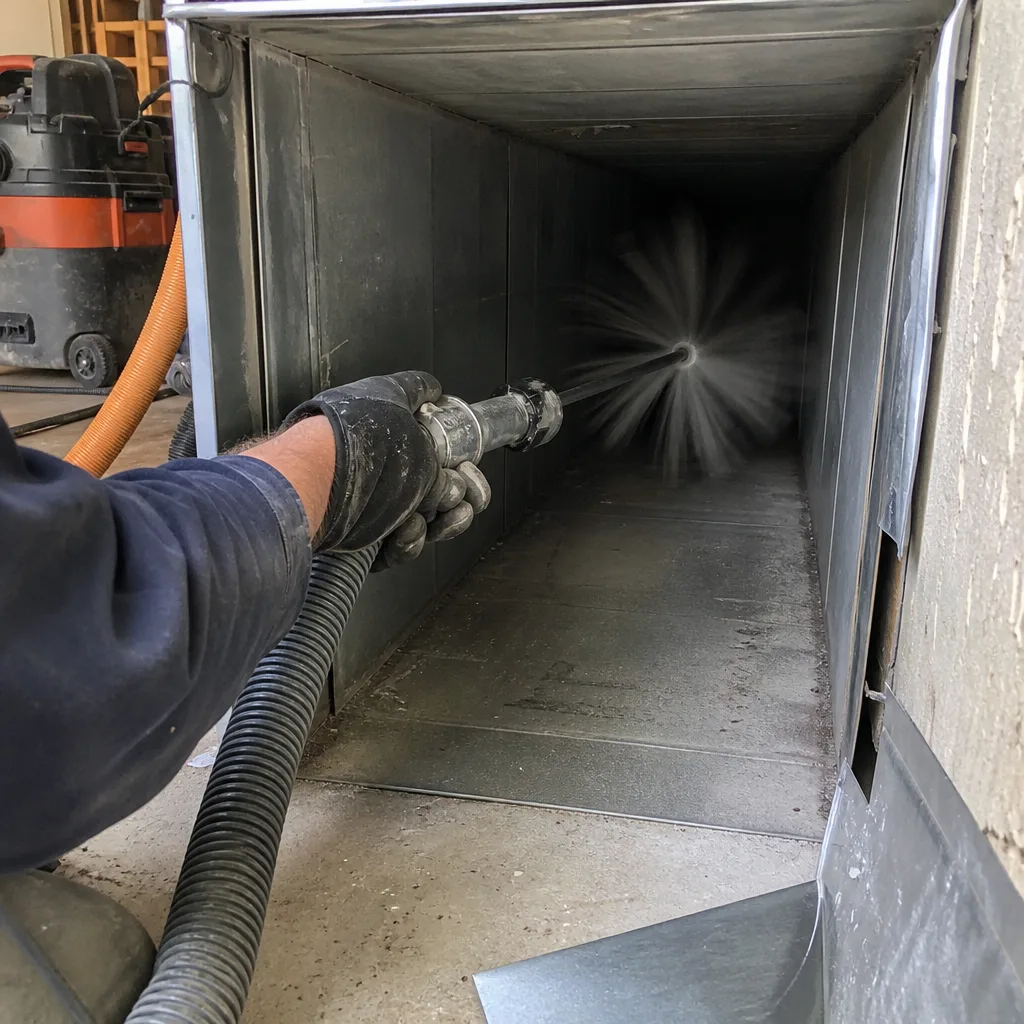
The written quote is where most homeowners get misled. The industry standard is confusion by design: “per vent” pricing that balloons on arrival, “whole house” quotes that exclude the returns, or flat rates that don’t specify what’s actually included. Here’s how to read a legitimate quote and spot the problems.
Line 1: Scope Definition
A proper quote states exactly how many supply runs and how many return runs are included. “Whole house” without numbers is meaningless. A typical Elk Grove Village ranch might read: “14 supply runs (living room, kitchen, 3 bedrooms, 2 baths, dining room, basement), 3 return runs (main floor, bedroom wing, basement).” If the quote doesn’t list them, ask why.
Line 2: Equipment Specification
The quote should name the equipment type and brand. “Negative-pressure extraction using Nikro 5,000 CFM portable unit” or “Truck-mounted Rotobrush system.” Generic “professional equipment” is a red flag.
Line 3: Access Method
How will the technician reach the ducts? “Register cleaning only” means they’re not entering the duct network. “Access ports cut per NADCA standards and sealed post-cleaning” indicates proper trunk line access. If your home has finished basement ceilings or buried trunks, this line is critical.
Line 4: Agitation Method
Negative pressure alone doesn’t dislodge adhered debris. The quote should specify mechanical agitation: compressed air whips, brush systems, or contact cleaning. “Agitation via Rotobrush contact cleaning on supply branches” is specific and verifiable.
Line 5: Documentation
What do you receive? “Before-and-after photography of each duct run, delivered via email within 24 hours” is a concrete deliverable. “Photo documentation available upon request” is not.
Line 6: Warranty
The CleanRun 365-Day Done Right Promise is printed on every quote: “If the work is not right, we make it right.” No manager approval, no claim forms. The warranty terms are in writing before the work starts, not in a separate brochure handed over as the truck leaves.
What “per vent” pricing hides:
The $79 coupon typically covers 10 vents. Your home has 18. The upcharge per additional vent ranges from $25 to $75, pushing the final price well above the honest whole-system quote you rejected. Worse, “vent” is ambiguous: some companies count supply and return separately, others don’t. The homeowner has no way to verify the count until the technician is in the driveway with the work half-started.
CleanRun’s Haven Standard Clause 1 prohibits this entirely. The written price is for the whole system, agreed before work starts. No per-vent arithmetic, no arrival surprises. If the inspection finds additional issues, they’re documented and quoted separately, with the homeowner’s explicit authorization required before any additional work proceeds.
The Full Cleaning Process: From Setup to Final Photo
Understanding the actual sequence of a proper duct cleaning lets you verify that what’s happening in your home matches what you paid for. Here’s the complete process, start to finish.
Step 1: Protective Setup (15-20 minutes)
Technicians lay protective coverings on floors and furniture near work areas. Corner guards protect walls where hoses will pass. The HVAC system is powered down and the thermostat locked to prevent accidental activation during cleaning. In Elk Grove Village winters, this also means verifying the home has auxiliary heat if the cleaning will take several hours.
Step 2: Register Removal and Initial Borescope (30-45 minutes)
All supply and return registers are removed and set aside for separate cleaning. A borescope camera enters each duct opening to document pre-cleaning condition. Photos are saved with location labels: “Master bedroom supply, 14 feet from plenum, 2-inch debris accumulation at elbow.” These become the baseline for comparison.
Step 3: Access Port Installation (20-40 minutes, if needed)
For systems with buried trunk lines, technicians cut 1-inch access ports at calculated intervals, clean through them, then seal with code-compliant metal covers. The number and location are noted in the job record.
Step 4: Negative-Pressure Hookup (10-15 minutes)
The vacuum collector, whether truck-mounted or portable, connects to the main trunk line through the largest available opening, typically the plenum or a main return. This creates suction throughout the system. Auxiliary ports are sealed to maximize airflow through the duct being cleaned.
Step 5: Sequential Duct Cleaning (2.5-3.5 hours)
Each duct run is cleaned individually while the negative-pressure system maintains suction. Agitation tools, compressed air whips, or Rotobrush contact heads dislodge debris, which is immediately drawn into the vacuum collector. The technician works from the farthest point back toward the vacuum connection, ensuring nothing is pushed deeper into the system.
Step 6: Trunk Line and Plenum Cleaning (30-45 minutes)
The main distribution components receive focused attention. The plenum, where temperature mixing occurs, often holds the heaviest accumulation. Manual brushing and vacuum extraction remove adhered material.
Step 7: Register and Boot Cleaning (20-30 minutes)
Removed registers are cleaned separately, often in a contained wash station on the service vehicle. The boot, the short metal transition between register and duct, is brushed and vacuumed. This is where surface dust and construction debris typically concentrate.
Step 8: Post-Cleaning Borescope and Photography (30-45 minutes)
The camera re-enters each duct at the same points as the initial inspection. Photos are matched side-by-side with the before images. The technician verifies that debris has been removed to the duct surface, not merely redistributed.
Step 9: System Reassembly and Testing (15-20 minutes)
Access ports are sealed, registers reinstalled, and the HVAC system powered on. Technicians verify normal operation: balanced airflow at each register, no unusual noise, thermostat responding correctly. Filter condition is checked and replacement recommended if needed.
Step 10: Job Record Compilation and Delivery (same day)
The photo log, technician notes, equipment used, and warranty terms are compiled into a single document. CleanRun delivers this within 24 hours, typically same evening. The customer has a complete, dated record of what was found, what was done, and what was promised.
What the Finished Job Record Should Contain
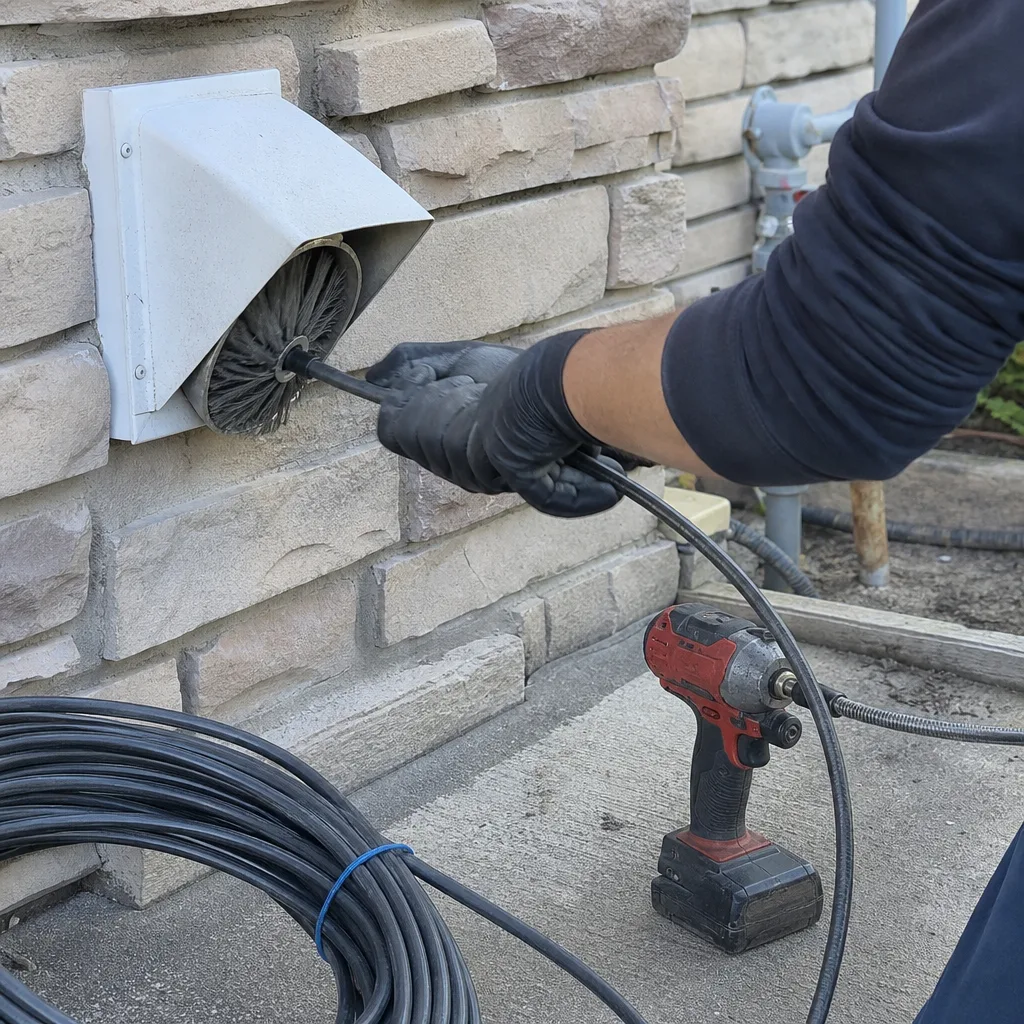
The job record is your only proof that the work happened as described. Without it, you’re relying on memory and trust. Here’s what a complete record includes, and why each element matters.
- Photo log with location labels: Every before-and-after image tagged by room and duct position. Not a handful of representative shots, but every run that was cleaned. This is the core of CleanRun’s documented photo record, included on every visit since 2013.
- Technician notes: Observations in plain language, not coded abbreviations. “Significant debris at first elbow of kitchen supply, consistent with grease particle accumulation. Recommend range hood filter upgrade to Aprilaire MERV 11.” These notes explain what was found and what preventive steps are suggested.
- Equipment specification: What was used, by brand and model. “Nikro 5,000 CFM portable negative-pressure unit, serial number logged. Rotobrush contact cleaning on supply branches 3, 7, and 12 due to adhered pet hair.” This lets you verify the equipment exists and matches the quote.
- Filter recommendation: Current filter type, condition assessment, and specific replacement suggestion with MERV rating and dimensions. Honeywell and Aprilaire media filters are specified when the system can accommodate them, with installation offered or DIY instructions provided.
- Written warranty terms: The exact language of the guarantee, not a reference to a website policy. CleanRun’s 365-Day Done Right Promise states: “If the work is not right, we make it right. Contact us within 365 days and we will return to address any deficiency at no charge.” The technician’s signature and date appear below.
- Scope confirmation: A checklist of every duct run cleaned, with technician initials. This prevents the common shortcut of cleaning visible runs while skipping buried or difficult ones.
The record should be delivered in a format you can keep and reference: PDF via email, printed copy, or both. CleanRun provides both as standard. If a company offers only verbal assurance or a generic receipt, that absence is itself information.
Common Mistakes to Avoid
- Booking by coupon price alone. The $79 offer covers register surface cleaning with a shop-vac, not a whole-system job. In Elk Grove Village’s older housing stock, this is barely 10% of the actual duct network. The real cost reveals itself in upcharges, or the work simply doesn’t get done.
- Accepting “call for a quote” instead of a written price. Verbal estimates change on arrival. Haven Standard Clause 1 exists because every legitimate scope can be priced in writing before work starts. If a company can’t or won’t, they don’t know their own process well enough to guarantee it.
- Ignoring access limitations. Finished basements, buried trunk lines, and slab ducts require specific approaches. A quote that doesn’t mention how these will be addressed is planning to skip them.
- Skipping the before photos. Without baseline documentation, there’s no way to verify improvement. The after photos alone are meaningless; you need the pair, matched by location.
- Neglecting mechanical issues found during cleaning. Disconnected ducts, failed sealant, or corroded metal should be repaired, not cleaned around. A company that notes these but doesn’t offer repair or referral is leaving you with a compromised system.
- Assuming all duct cleaning is the same. The difference between 150 CFM shop-vac register cleaning and 5,000 CFM negative-pressure extraction with mechanical agitation is not incremental; it’s categorical. Ask the CFM number. Verify the equipment brand.
- Forgetting the warranty. A promise made only in marketing copy, not in writing on your specific job record, is not enforceable. The 365-Day Done Right Promise appears on every CleanRun record, signed and dated.
When to Call a Professional
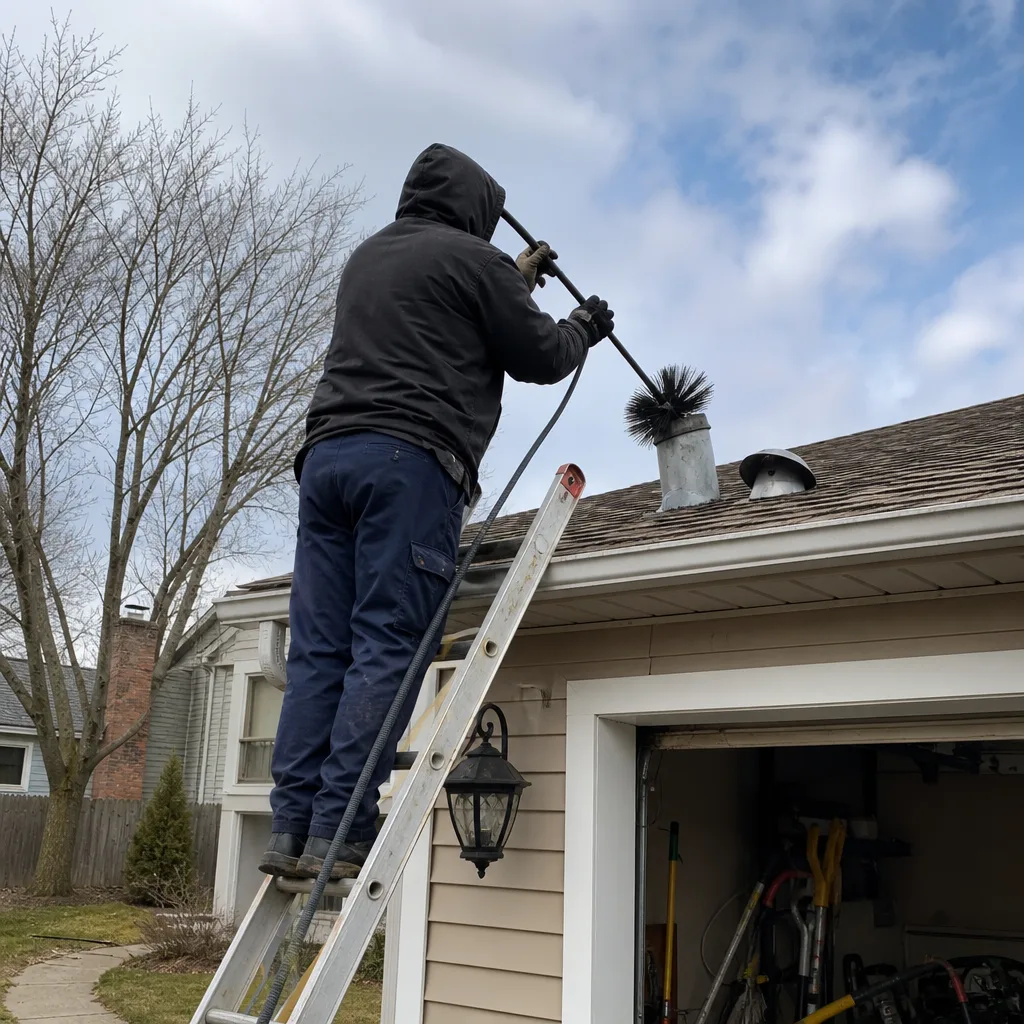
Call for an inspection if you notice persistent dust accumulation shortly after cleaning, uneven heating or cooling between rooms, musty odors when the system runs, or visible debris at registers. In Elk Grove Village, where many systems are 25-40 years old, these symptoms often indicate duct deterioration rather than simple contamination.
Also call before major renovations. Construction dust is extremely fine and penetrates duct systems easily. Post-renovation cleaning should include full system inspection for drywall dust, which compacts in low-velocity sections and standard vacuuming won’t remove.
CleanRun Air Duct Cleaning Elk Grove Village offers free estimates in Elk Grove Village. Every estimate includes the full inspection with borescope photography, a written whole-system price, and no obligation. Call (224) 344-8881 to schedule. Air Duct Cleaning in Elk Grove Village is also available with same-week scheduling in most cases.
Frequently Asked Questions
Whole-system air duct cleaning in Elk Grove Village typically ranges from $400 to $800 for a residential home between 1,500 and 3,000 square feet. The price varies with system size, accessibility, and contamination level. CleanRun provides a written price before any work starts, with no per-vent add-ons. Call (224) 344-8881 for a free estimate with inspection.
Low quotes typically exclude the actual duct network. A $79 service cleans register surfaces with a portable vacuum, covering perhaps 5% of your system. The remaining 95% is untouched. “Per vent” pricing starts low but multiplies on arrival. A legitimate whole-system quote accounts for all supply and return runs, proper equipment, and documented results. The cheaper option is usually the more expensive mistake.
Demand a documented photo record with location-matched before-and-after images of every duct run. The photo log should be delivered as a standard job deliverable, not available “upon request.” CleanRun has included this on every job since 2013. Without it, you’re trusting a technician’s word about work you cannot see.
For most Elk Grove Village homes, every 5-7 years is adequate under normal conditions. Homes with pets, recent renovations, or occupants with respiratory sensitivities may need more frequent service. The inspection, not the calendar, should drive the decision. A system that shows minimal debris at 8 years can wait; one with significant accumulation at 4 years should not.
Yes. The freeze-thaw cycles and high summer humidity in the Chicago metro area stress duct sealant and can promote moisture accumulation in low-velocity sections. Summer air conditioning runs create condensation at the evaporator coil, which can migrate into downstream ducts if drainage is impaired. These factors make periodic inspection more important than in drier, more stable climates.
Air duct cleaning addresses the distribution network: supply and return ducts, registers, and grilles. HVAC Cleaning in Elk Grove Village includes the mechanical components: blower motor, evaporator coil, heat exchanger, and condensate drain. A complete system service addresses both. CleanRun offers each as a distinct scope, quoted separately or together, with written pricing for each.
The Bottom Line
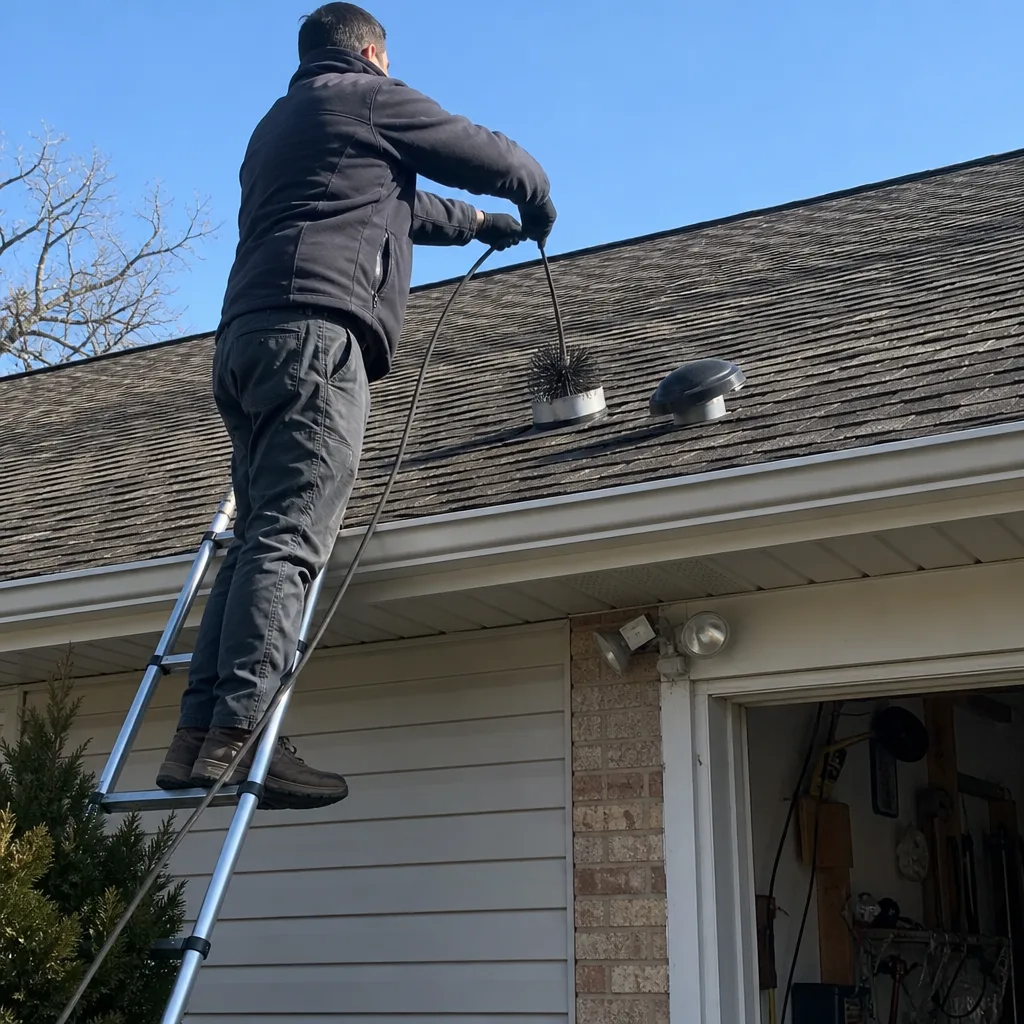
Air duct cleaning in Elk Grove Village is a service where the gap between advertised price and actual value is wider than almost any other home maintenance category. The only way to navigate it is documentation: written prices, specified equipment, photographed results, and guaranteed recourse. A legitimate job takes hours, not minutes. It addresses every duct run, not just the visible ones. It leaves you with proof, not promises. The housing stock here, built largely in the 1970s through 1990s, presents specific challenges that require specific solutions, not generic approaches. Ask the hard questions before work starts, verify the answers in writing, and keep the job record. That’s the difference between paying for duct cleaning and paying for vacuum noise.
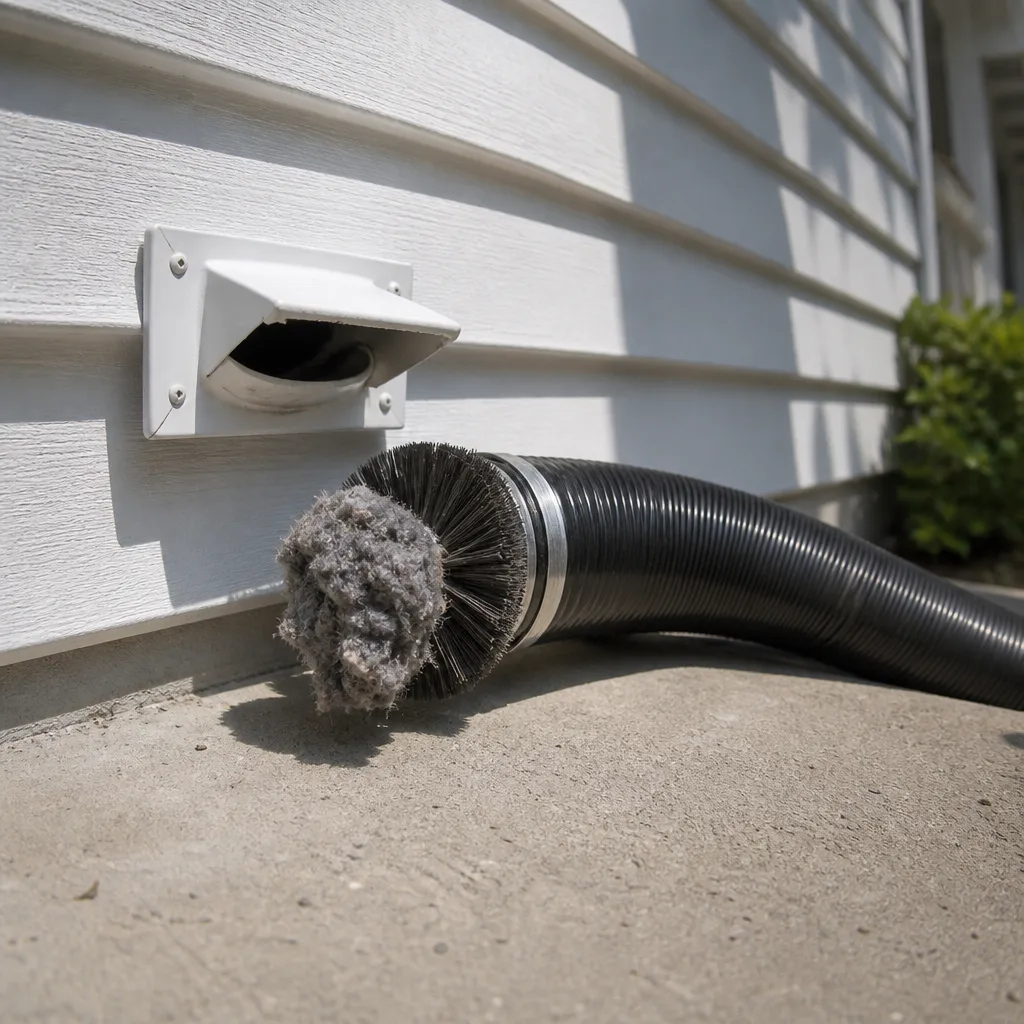
For homeowners also managing laundry ventilation, Dryer Vent Cleaning in Elk Grove Village addresses the separate but equally important exhaust system that removes lint and moisture from your clothes dryer.
Written by Tomas Reyes, Owner at CleanRun Air Duct Cleaning Elk Grove Village, serving Elk Grove Village since 2013.