
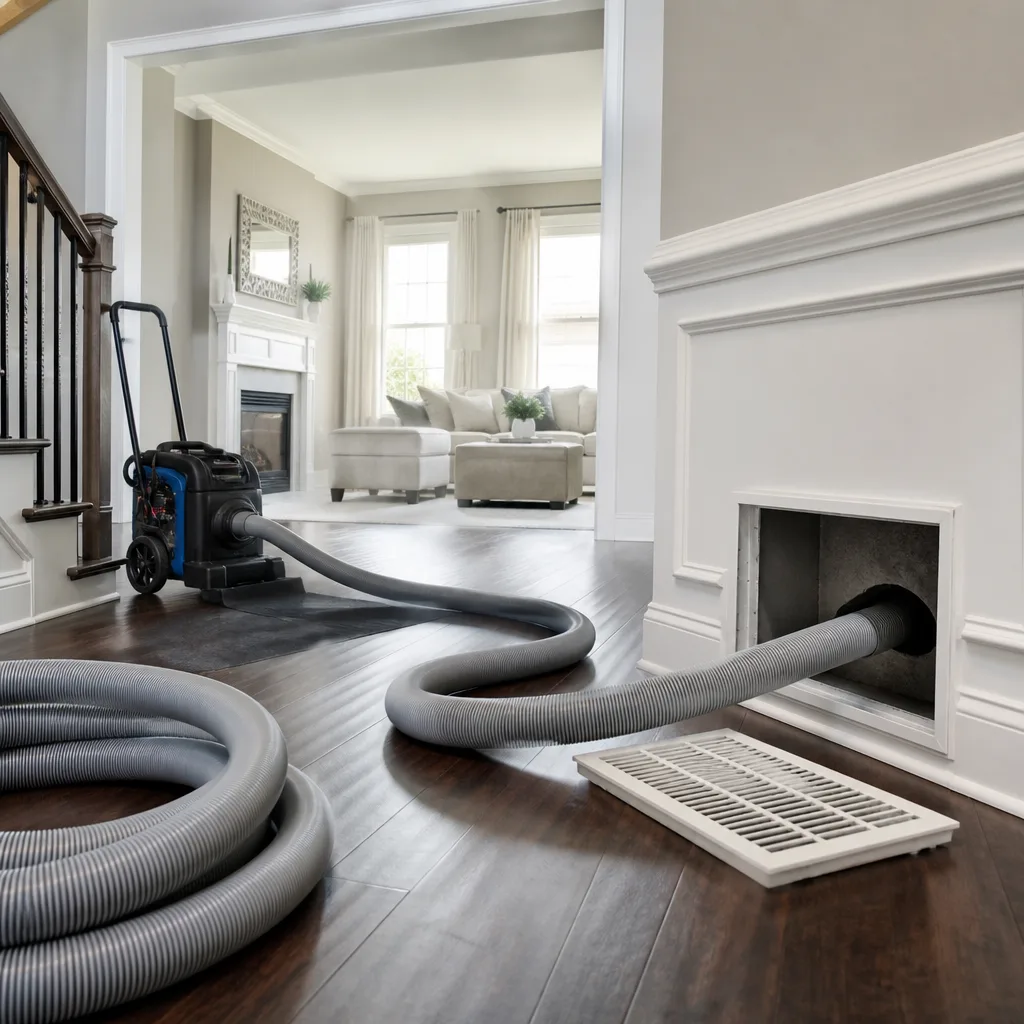
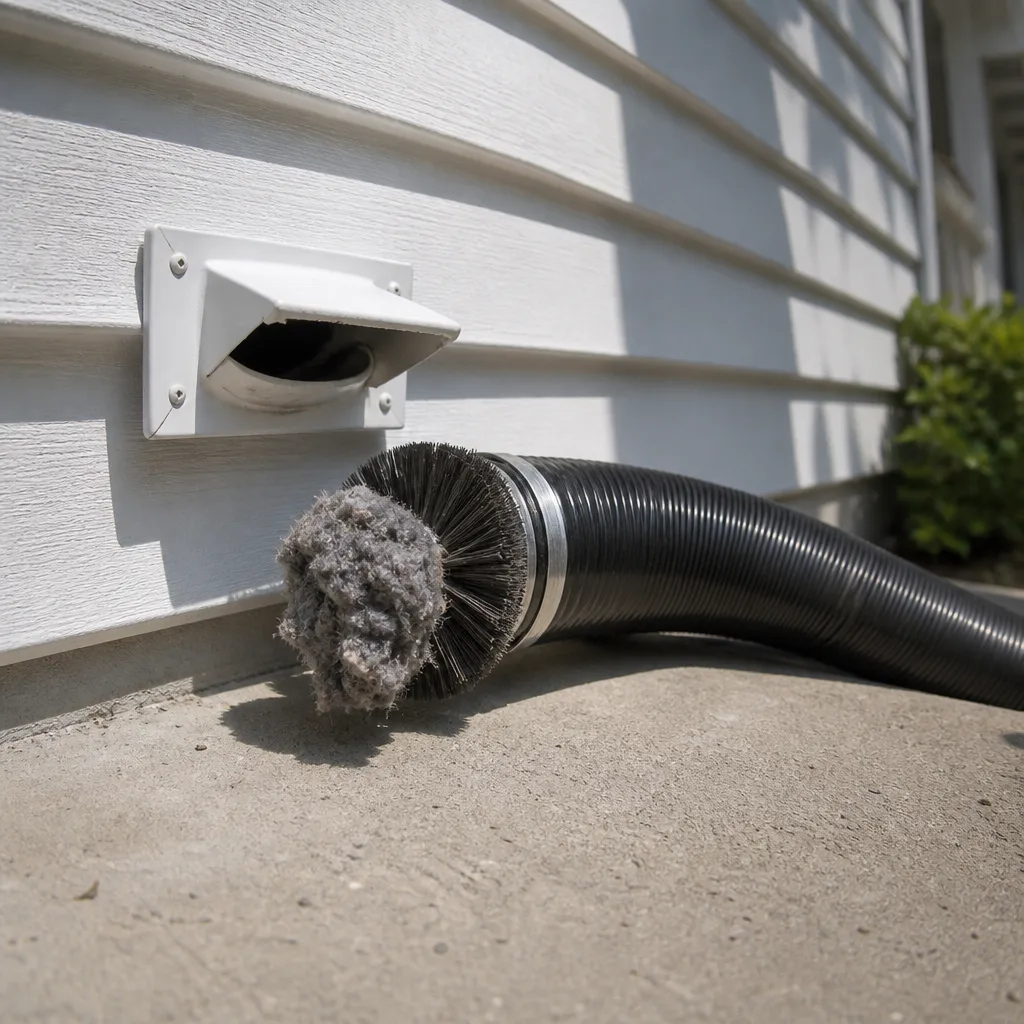
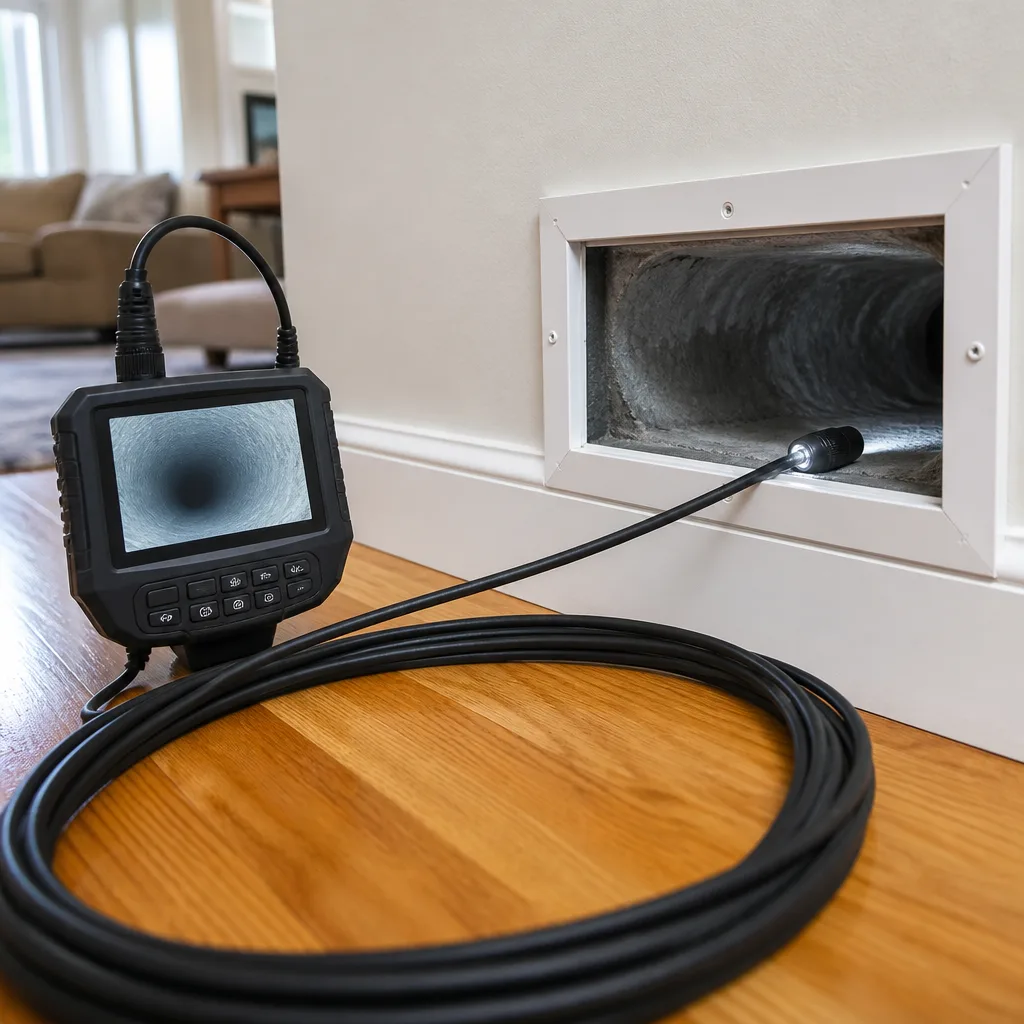
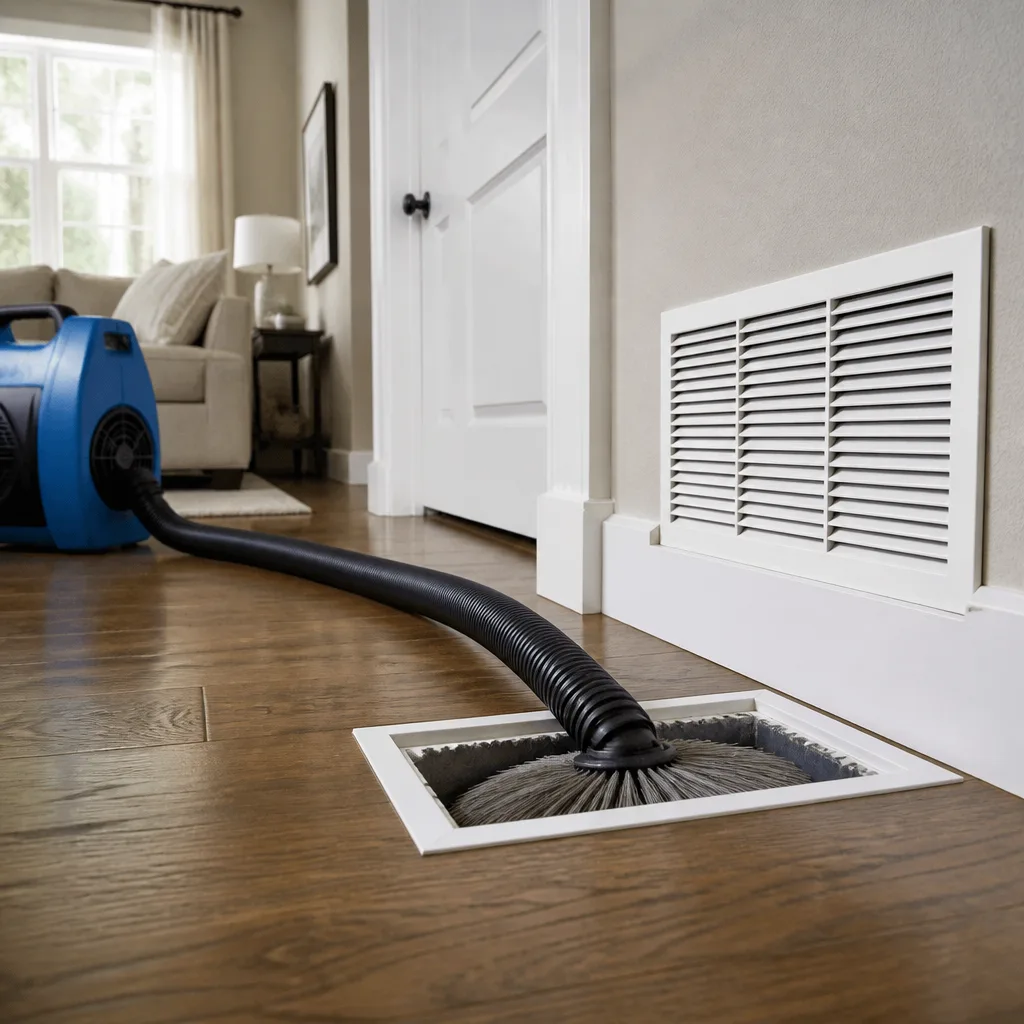
Whole-system duct and dryer vent check with before-and-after photos - you see exactly what came out of your vents
That "$99 whole-house special" is a bait ad - the real number appears once they are in your hallway, or the "clean" is a shop-vac at the register. We photograph the inside of your ducts before and after instead.
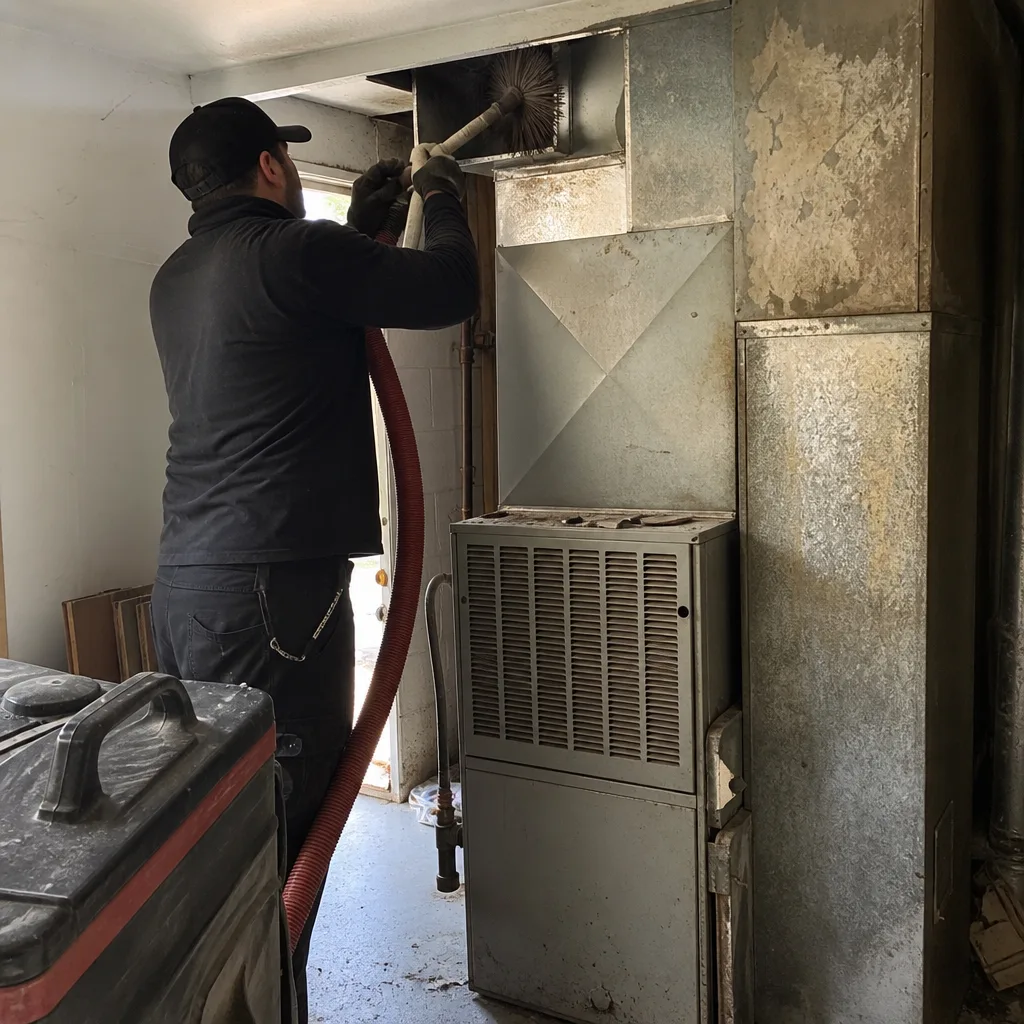 Before
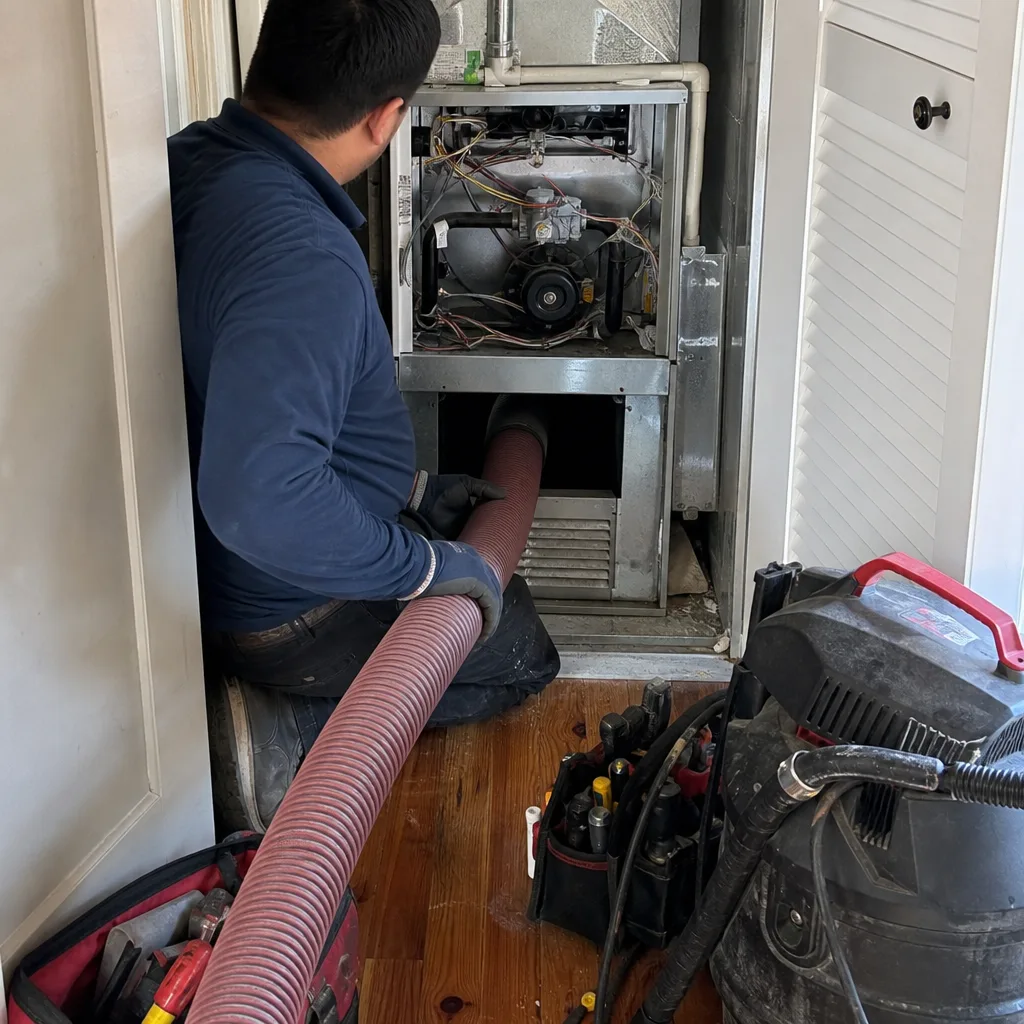 After
After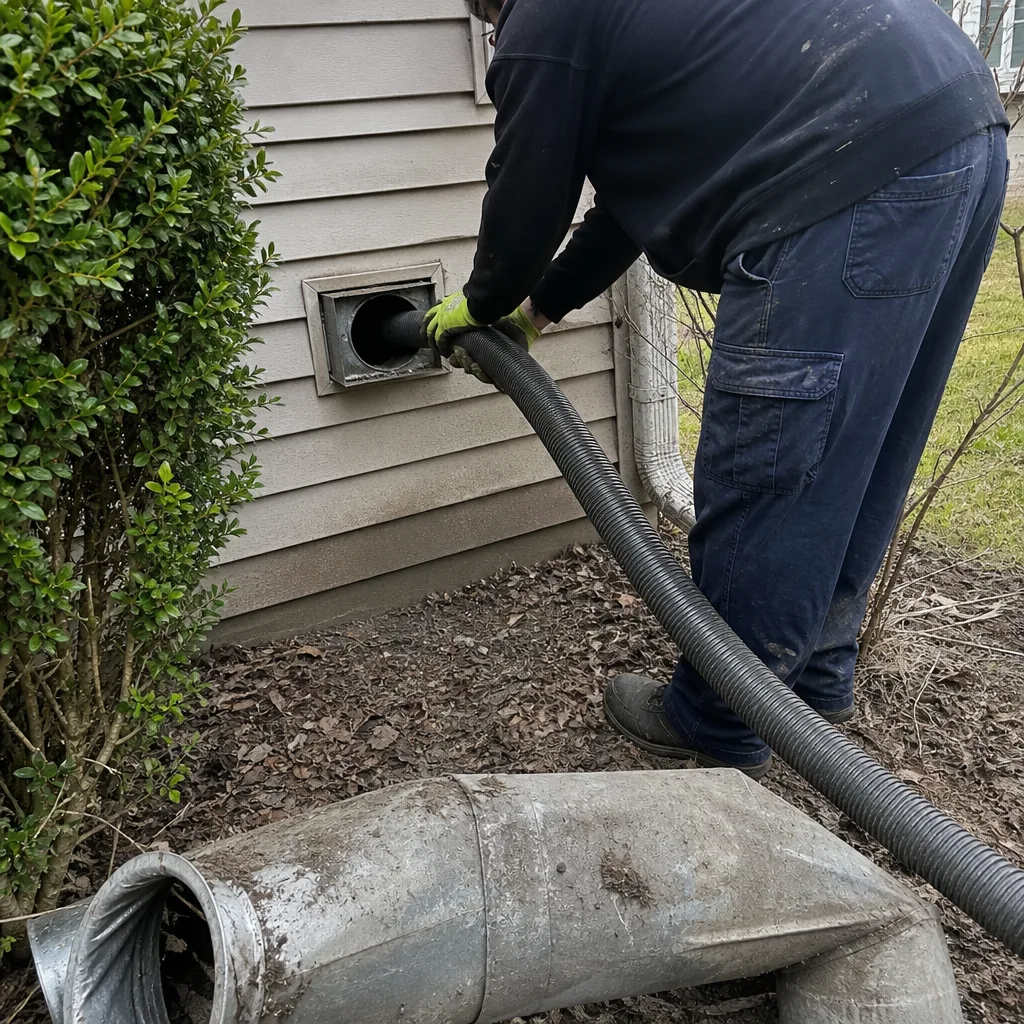 Before
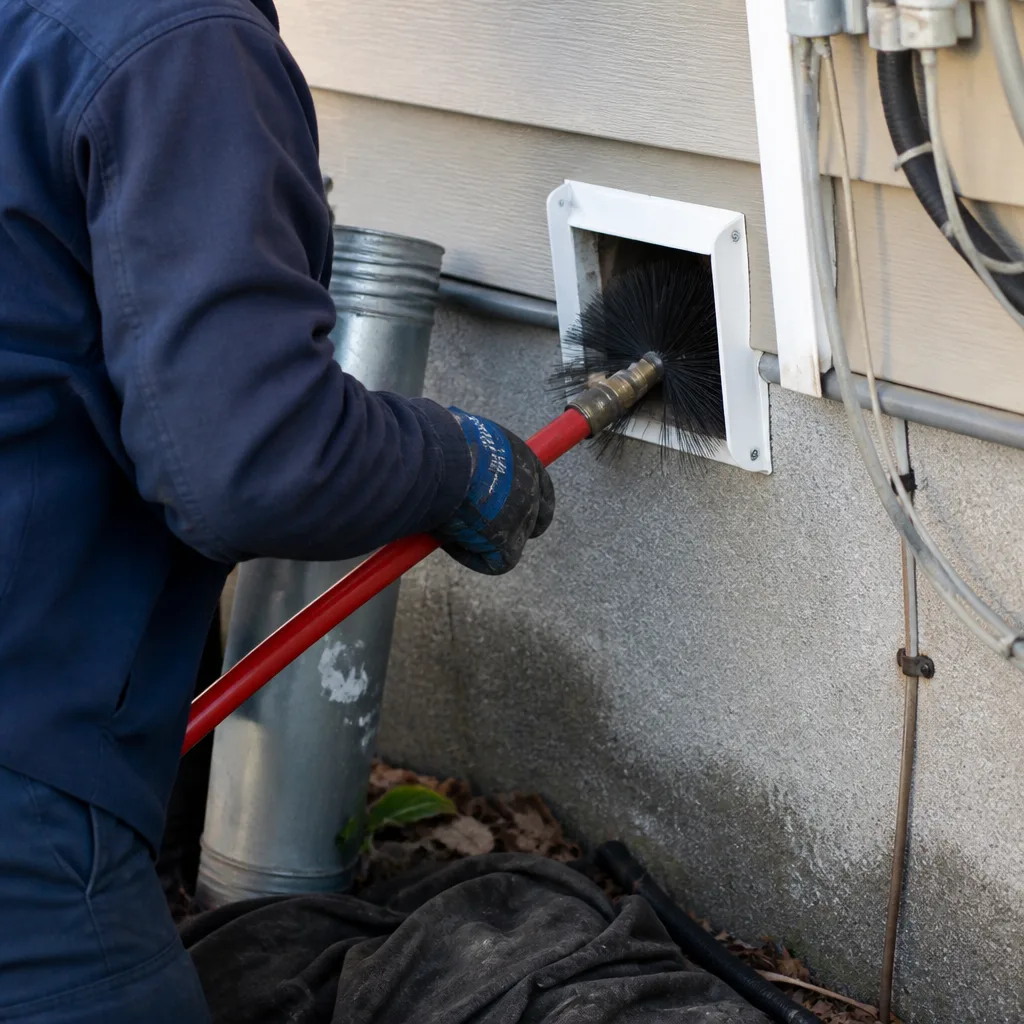 After
After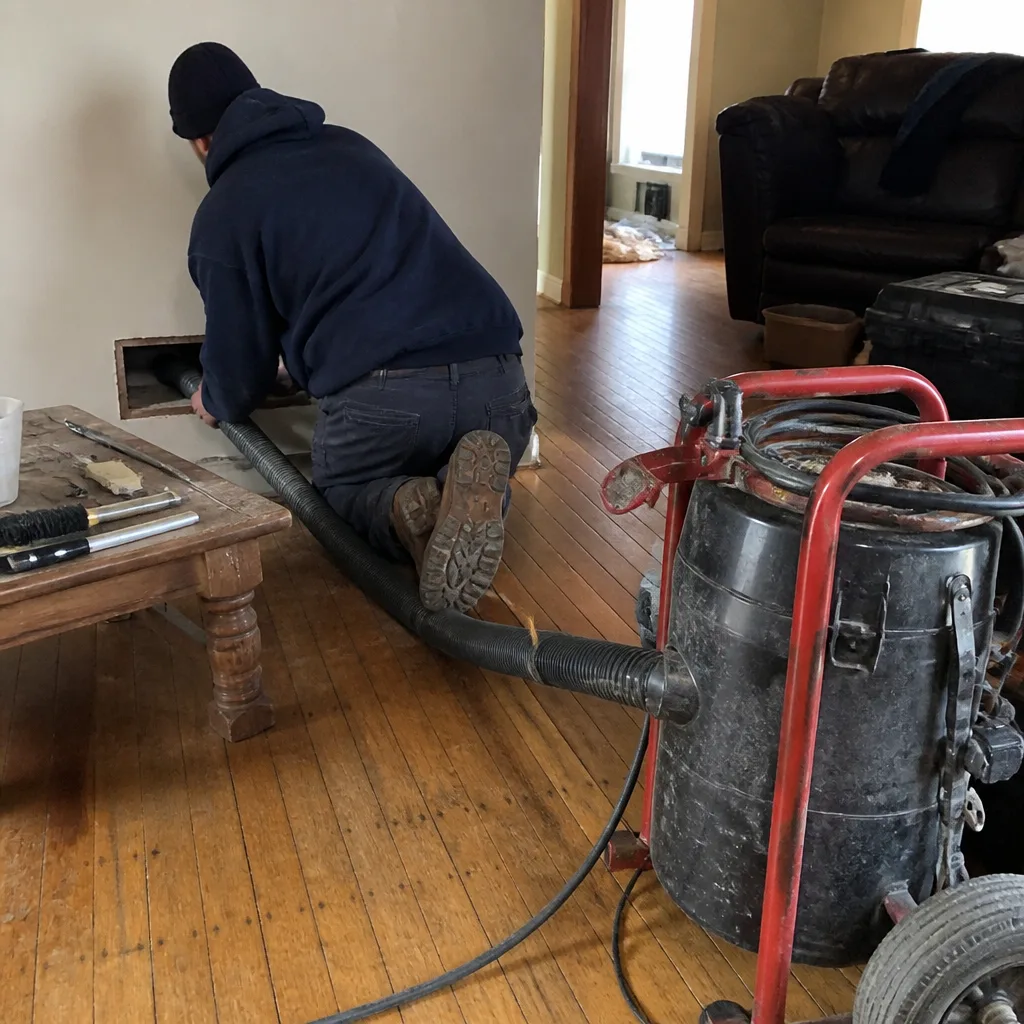 Before
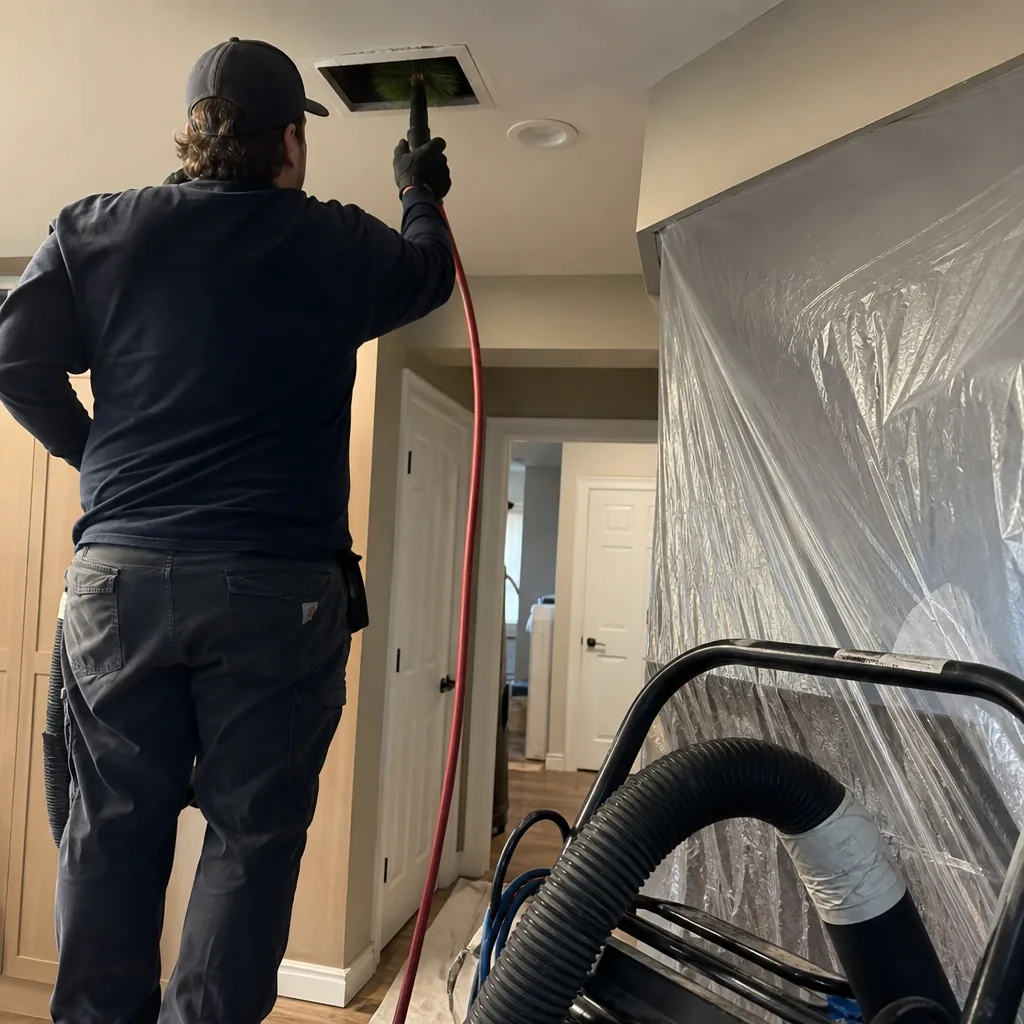 After
AfterHoneywell Coil Cleaning: The Elk Grove Village Owner’s Guide
We stock and install Honeywell-compatible evaporator and condenser coil cleaning across Elk Grove Village, with typical whole-system service running $340-$580 for residential units depending on accessibility and contamination level. Most Honeywell-equipped systems we encounter in the area are ready for same-day scheduling, not emergency dispatch. Homeowners usually discover the problem when their Honeywell air handler starts blowing warm during July humidity, or when they notice the coil fins have visible matting that a standard filter change won’t address.
Which Honeywell Models This Applies To
Honeywell coils appear in three main configurations across Elk Grove Village homes: the CHPF cased horizontal slab series (common in attic installations near Biesterfield Road), the CAPF uncased vertical A-coil line, and the CDPF downflow cased units found in many 1990s-era split-levels around Busse Woods. The critical identifier is the nominal tonnage stamp on the coil header plate, paired with the refrigerant type - R-410A coils run at higher pressure and require different fin spacing than legacy R-22 units. We see mismatched swaps fail most often when a homeowner orders by cabinet dimension alone: a 21-inch wide CHPF32B may slide into the same plenum as a CHPF36B, but the tonnage mismatch starves the compressor.
For Honeywell specifically, we stock both OEM-grade aluminum fin sets and aftermarket equivalents from Advanced Distributor Products that match Honeywell’s 12-15 fins-per-inch density. The aftermarket route saves roughly $80-$120 on parts but requires verifying the TXV (thermostatic expansion valve, the refrigerant metering device) bore size matches the Honeywell spec sheet. We carry both on the truck and log the exact part number in your written scope before any work starts.
Signs Your Honeywell Coil Cleaning Is Failing
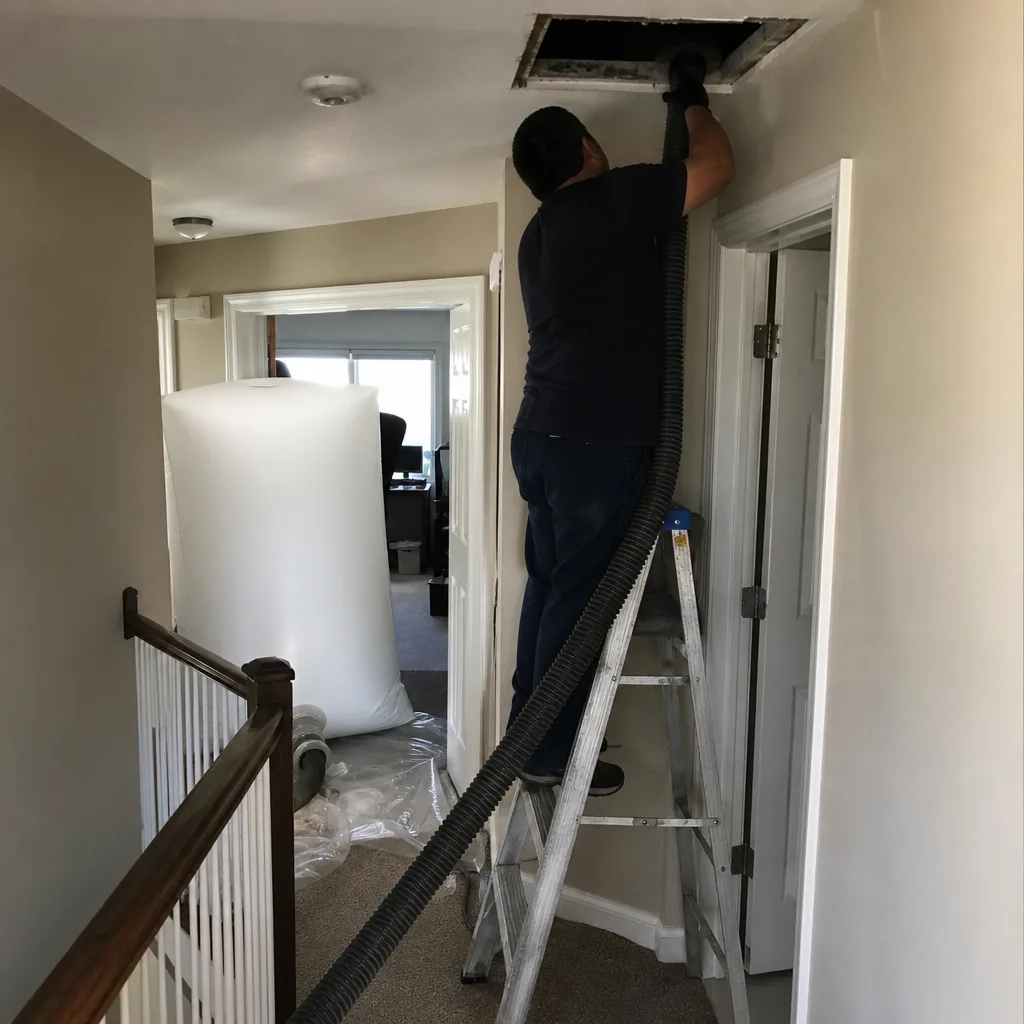
- Ice formation on the suction line. When the evaporator coil can’t exchange heat because of fin blockage or internal oil contamination, refrigerant returns to the compressor still cold enough to freeze the insulated copper line. In Elk Grove Village, we photograph this condition before thawing so the customer sees it wasn’t a “low Freon” guess.
- Musty startup smell that fades after five minutes. Biofilm buildup between Honeywell’s tightly spaced fins releases when the blower first engages. The camera usually shows gray-green matting at the downstream edge where condensate collects.
- Long run cycles with poor temperature drop. A clean Honeywell coil should deliver 16-20 degrees of split across the air handler. When we measure 10 degrees or less, the pressure gauges typically reveal a fouled heat exchange surface, not a refrigerant leak.
- Water stains below the air handler cabinet. Clogged condensate pans overflow when coil debris blocks the drain path. We’ve pulled enough pet hair and construction dust from Elk Grove Village coils to know the pan design isn’t the problem.
- Visible fin corrosion or “fins that crumble to the touch.” Salt air isn’t the issue in Elk Grove Village, but galvanic corrosion from mismatched metals or years of acidic coil cleaner residue is. Once the aluminum fins degrade past 30% surface area, cleaning becomes a temporary fix.
BeforeAfterReplacement Cost & What’s Included
In Elk Grove Village, Honeywell coil cleaning service runs $340-$580 for a complete residential system, with the range driven by three factors we itemize in writing: whether the coil is evaporator (indoor, typically higher labor) or condenser (outdoor, ground-level), the degree of fin corrosion requiring chemical restoration versus full replacement, and whether the plenum (the sheet metal box housing the coil) needs modification to accommodate current Honeywell dimensions.
Every job includes negative-pressure extraction of dislodged debris, a documented photo record of the coil condition before and after, and the written 365-Day Done Right Promise. We do not quote per-vent or per-fin pricing. Haven Standard Clause 1 requires the full price on paper before we touch a fastener.
DIY or Call Us?
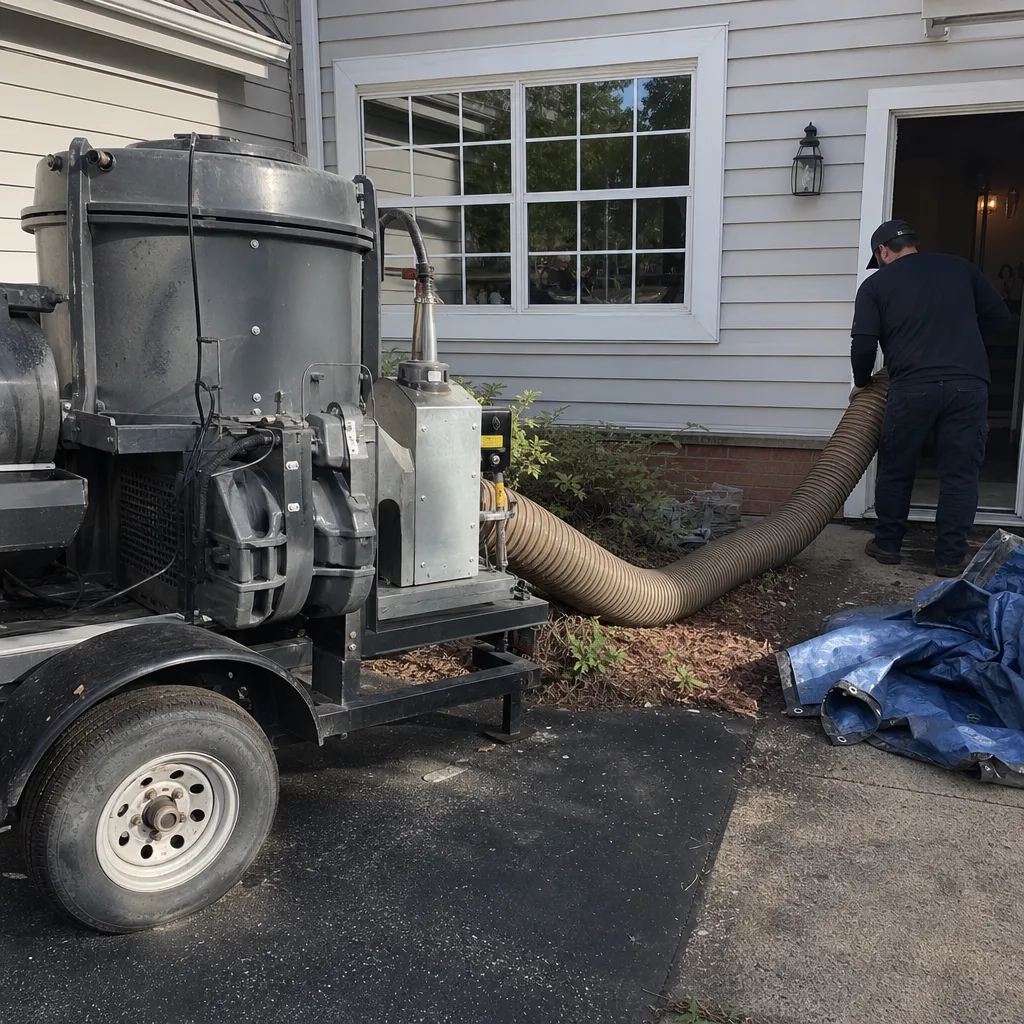
An Elk Grove Village homeowner can safely check two things: whether the filter slot is fully sealed (light leaks around the frame bypass filtration), and whether the condensate drain line outside drips during cooling cycles. Beyond that, Honeywell coils sit under refrigerant pressure and carry 240-volt live circuits in the air handler cabinet. We’ve seen bent fins from wire brushes, punctured tubing from over-aggressive foaming, and one homeowner who vented refrigerant into his basement trying to “speed-thaw” ice with a heat gun. That repair cost him the compressor too.
We carry Honeywell-compatible coils, TXVs, and fin combs on every truck serving Elk Grove Village. Call (224) 344-8881 and we’ll put a written number next to your model number.
FAQs
With proper filtration and annual maintenance, 15-20 years is realistic for Honeywell aluminum coils in our climate. The bigger threat than age is deferred filter changes during pollen season, which compresses debris into the fin roots where it can’t be rinsed out. Call (224) 344-8881 for an exact assessment of your coil’s remaining service life.
Yes, if the fins are intact and the contamination is surface-level. We use low-pressure foaming agents followed by condensate pan flushing, and we photograph the result so you can see the difference between cleaned and uncleaned sections. If fins flake off during brushing or corrosion has reached the copper tubing, replacement is the only lasting fix. We’ll show you the photo first. Talk second.
Most residential replacements we complete in Elk Grove Village run 3-4 hours from panel removal to pressure testing and startup verification. That includes recovering any remaining refrigerant, brazing the new coil connections, pulling a vacuum to 500 microns, and documenting the before-and-after photo record. We don’t rush the vacuum stage; moisture in the lines destroys compressors.
We stock the common CHPF and CAPF series sizes for 1.5-4 ton systems, plus matching TXVs and filter-driers. For older CDPF downflow units or specialty dimensions, we source overnight from our distributor in Schaumburg and schedule the swap the following day. Every part is named by manufacturer in your written scope before work begins.
Written by Tomas Reyes, Owner, CleanRun Air Duct Cleaning Elk Grove Village at CleanRun Air Duct Cleaning Elk Grove Village, serving Elk Grove Village and nearby areas.